


- Sara
- News
- 0 likes
- 10965 views
- 0 comments
Excessive engine overheating in a car can be due to various causes, and it is important to address this problem appropriately to avoid a serious and very costly engine failure.

MOST COMMON CAUSES
- Lack of coolant: If the coolant level in the engine cooling system is insufficient or there is a leak in the system, the engine can overheat. Check the coolant level regularly and top it up as necessary. If there is a leak, it must be repaired.
- Faulty thermostat: The thermostat regulates the engine temperature by controlling the flow of coolant. If the thermostat gets stuck in a closed position, the engine can overheat. In this case, it will be necessary to replace the thermostat.
- Blocked radiator: A dirty or blocked radiator cannot dissipate heat properly, which causes the engine to overheat. Clean or replace the radiator as necessary.
- Faulty water pump: The water pump is responsible for circulating coolant through the engine and the radiator. If the water pump fails, the engine overheats. It will need to be replaced.
- Inoperative radiator fan: The radiator fan helps cool the radiator by blowing air through it. If the fan is not working correctly, the engine can overheat. Check whether the fan is working and replace it if necessary.
- Worn timing belt or accessory belt: If the timing belt or the accessory belt wears out or breaks, critical components such as the water pump and the alternator may stop working, which can cause the engine to overheat.
- Exhaust system problems: A blocked exhaust or a damaged catalytic converter can cause an increase in engine temperature due to the restriction in the flow of exhaust gases.
- Excessive use or extreme driving conditions: Driving in extremely hot conditions, climbing steep hills or towing heavy loads can increase the load on the engine and cause it to heat up faster. In such cases, it is important to drive with caution and avoid overloading the engine.
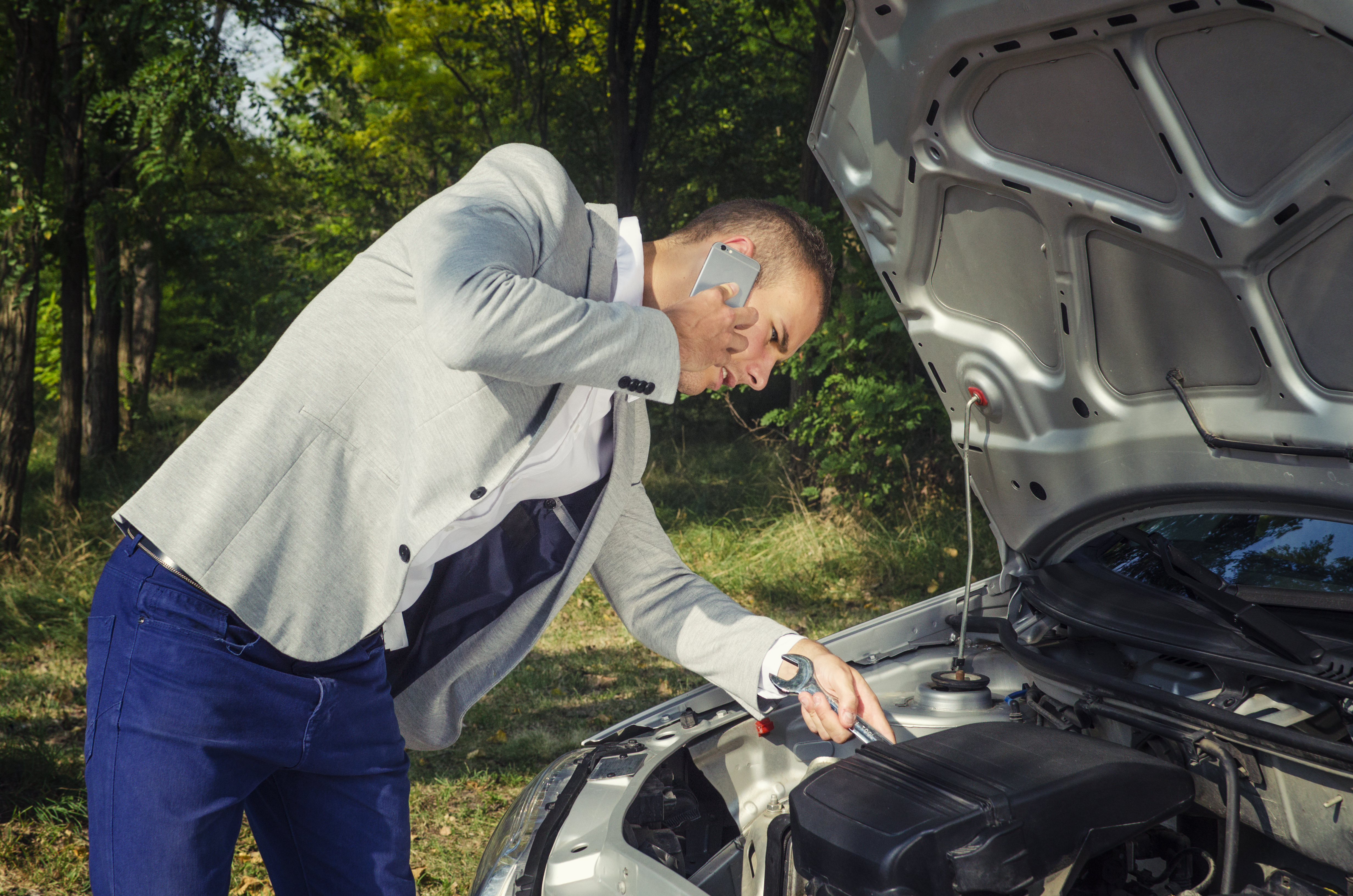
WHAT SHOULD I DO IF MY ENGINE IS RUNNING AT HIGH TEMPERATURE?
· Stop the vehicle. At the first sign of overheating, pull over to the side of the road or another safe place and wait for the temperature gauge needle to return to normal. You should never continue driving until it normalises.
· Turn on the heating. If the air conditioning is on, turn it off and then switch on the heating, as it draws heat from the engine and sends it to the cabin. This way we will expel the excess heat from the engine.
· Open the bonnet. If smoke is coming from the front of the car, wait for it to stop before doing this. Then open the bonnet and check the radiator hose: when squeezed, it should compress. If it does not, the engine is still hot. Once the hose gives way to pressure, the radiator cap can be carefully removed using a cloth. Now, inspect the engine looking for leaks and examining the compartment carefully to check for traces of coolant. Wait 30–45 minutes and top up the coolant in the radiator if necessary.
Once the engine has cooled down, you can continue driving, making sure the engine does not overheat again. If the car's temperature rises quickly, take it to a garage to have the cause of the overheating checked and resolved. This way we will avoid greater and more costly damage.
Comments (0)