


Owning a vehicle is not just about having a means of transport that gives you the freedom to get from one place to another; it also means taking on a responsibility, especially when it comes to its maintenance.
Certain components need to be checked regularly so that, if any deterioration or damage is detected, they can be replaced immediately, such as tires. But when do you need to change your car's wheels? Let's take a look!
Why do you need to change the vehicle's wheels from time to time?
It is normal for tires to deteriorate, especially if you use your car a lot. But, in addition, there are a number of factors that can cause them to deteriorate more quickly, such as:
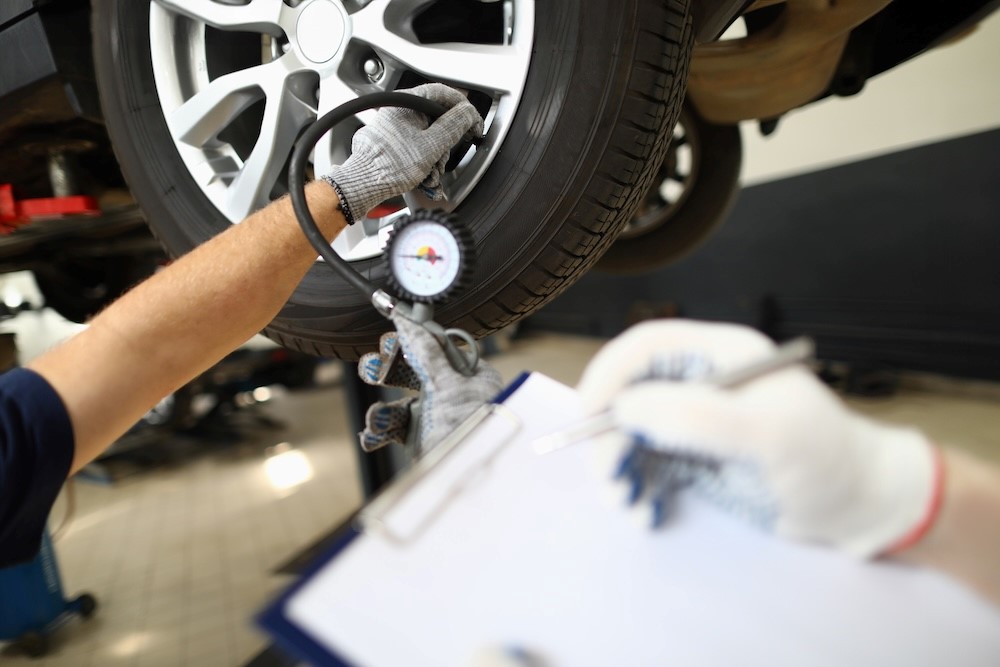
Driving with incorrect tire pressure
In the event that the tire has low pressure and you drive on it, overheating will occur, which will cause greater resistance and will wear out the rubber sooner.
On the other hand, if the tire has too much pressure, it will not grip the road properly, causing uneven wear.
Speed
As we increase speed, the tire temperature rises, which causes the pressure to increase, which in turn wears it down.
Overloading the vehicle
All vehicles have a maximum load capacity. If we exceed that figure, the tires will overheat and could break.
The wheels are poorly balanced
If the wheels have different weights, there will be uneven wear on the tires.
Harsh braking
If you repeatedly brake harshly, the tires will wear out more quickly.
What is the price for changing them?
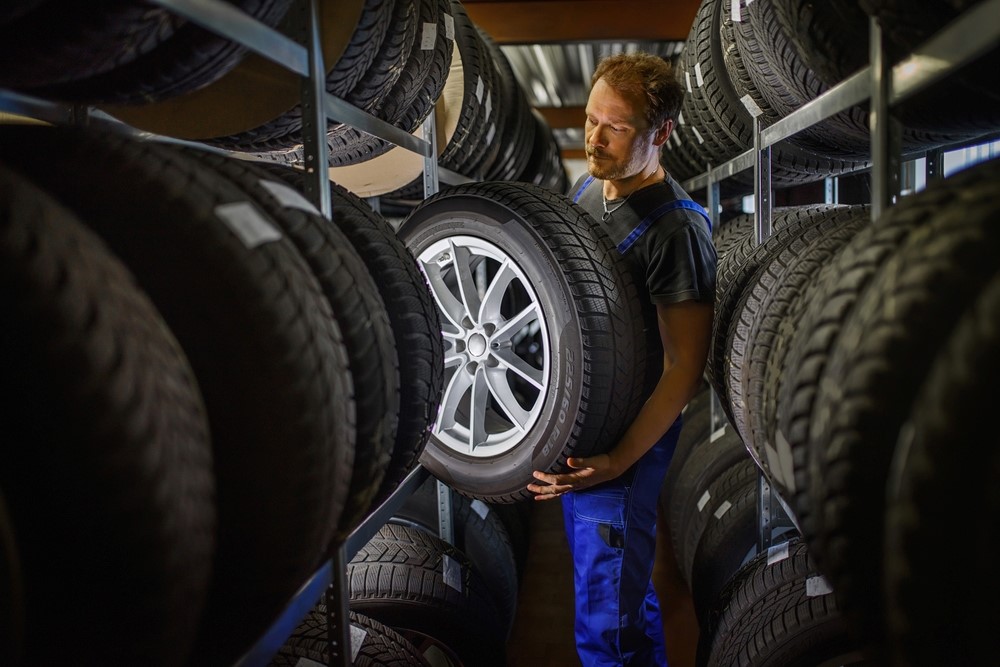
This is a question many users ask and, unfortunately, no approximate figure can be given, as several factors come into play: the number of tires you need to change, whether the change is done at a workshop, the price of each tire, whether in addition to the tire you also need to change the rim…
Of course there are ways to save money, such as buying second-hand tires or doing the change yourself.
How often should you change your tires?
Now let's get to the most important part of this topic: how often should you change your tires?
Well, there are two factors we can take into account: the lifespan of the tires or the number of kilometers we have traveled.
According to manufacturers, they should be changed every 45,000 km or every 10 years. Of course, all of this will depend on the quality of the tire. Some may last more than a decade, while others may need to be changed after 5 years.
On the other hand, there are also other factors that may mean you have to change your car's tires sooner or later, for example, the type of road you drive on or your driving style. For example, regularly traveling on roads is not the same as doing so on country tracks.
And how often do you need to change the rear tires?
You may not know it, but you do not have to change the front and rear tires at the same time, since they do not wear at the same rate.
The reason? To put it briefly, the front wheels have the most active role, as they are responsible for transmitting the engine's power to the ground, as well as being responsible for the vehicle's steering. Every time we turn them, they undergo additional friction. On top of that, they bear the full weight of the engine and the front bodywork of the vehicle.
The rear tires, on the other hand, are responsible for the passive activity of the vehicle and do not have to bear as much weight. For this reason, it is normal to notice that they have worn down less than the front ones.
It should be noted that this rule does not always apply, as it depends on whether the vehicle is front-wheel drive, in which case the front tires wear out more, or rear-wheel drive, in which case the rear tires wear out more.
In response to the question at hand, their useful lifespan can range between 50,000 and 100,000 kilometers.
Do summer tires need to be changed before winter tires?
There is not much difference, and both have a similar lifespan. For example, winter tires wear out faster when used in environments above 15°C, while summer tires do so when used in areas with temperatures below 7°C.
In other words, whether you change them sooner or later does not depend so much on the quality of the tire, but rather on weather conditions.
How will I know when I need to change my car's wheels?
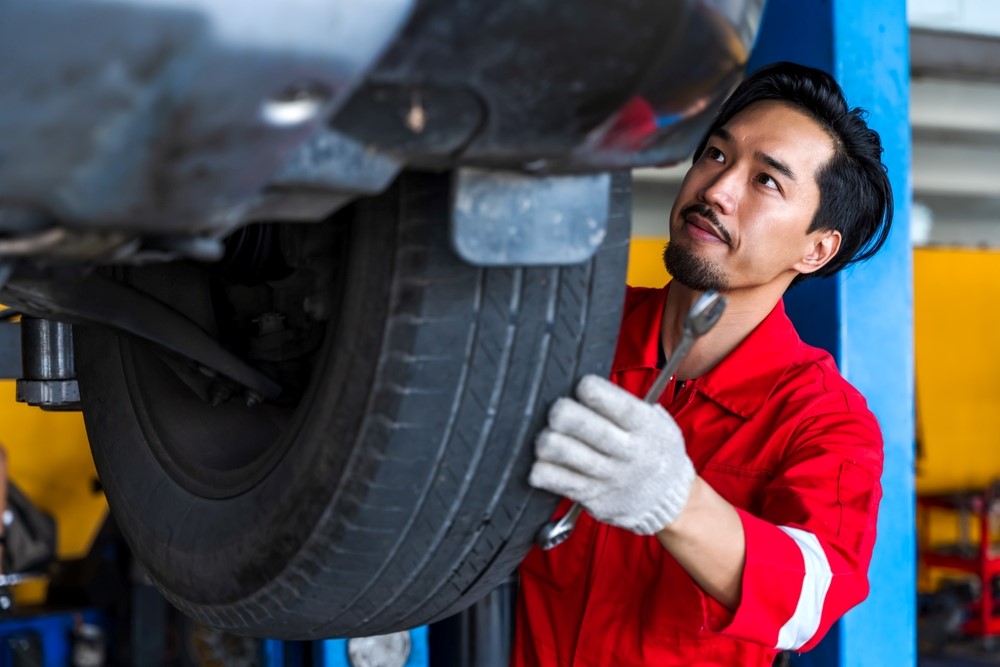
We mentioned earlier that it is advisable to carry out periodic tire inspections, at least once a year, but, in addition, there will be a series of signs that will warn you that it is time for a change:
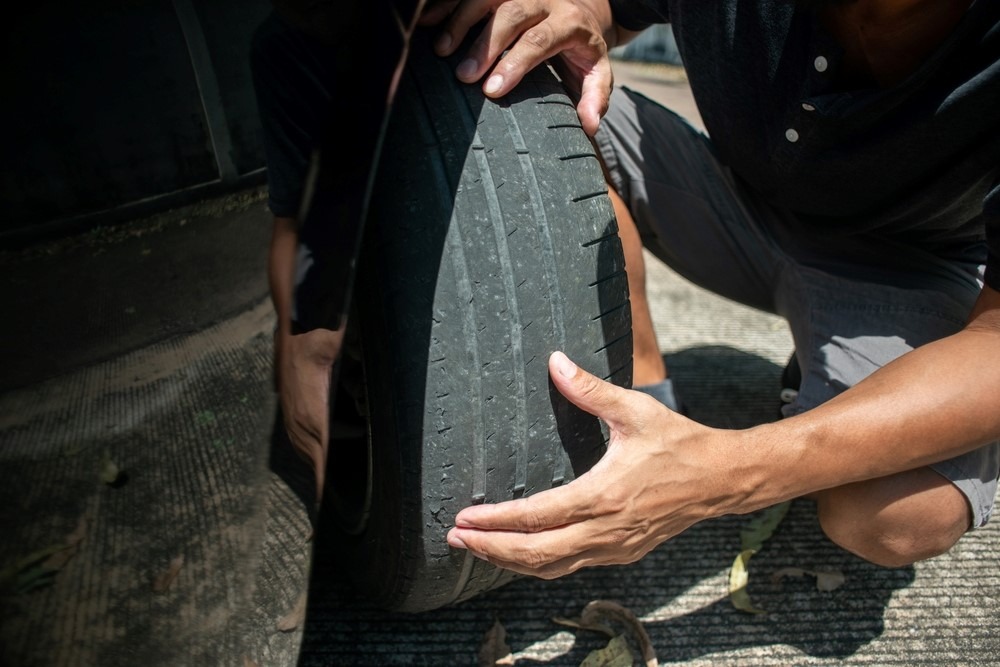
- If you detect bulges, uneven wear, or impacts on the casing.
- That there are no cracks and that they are not crystallized.
- The tread depth of the tires must be 1.6 mm. If this is not met, it is time to change them.
- The tire is losing air due to a crack or hole.
When changing your car's wheels, do they have to be new or can they be second-hand?
The price for changing your car's tires will vary according to several factors, such as the car model, the brand, whether the tires are exclusive to that brand… and above all, the workshop where you have them changed.
That said, is there any way to save money when changing your car's wheels? Of course; buy second-hand tires. It is an option you can consider if you want to save money, by purchasing them, for example, at a salvage yard.
The advantages?
- A guarantee that the tires will be in good condition, as only those that pass strict quality controls are put up for sale.
- They are much more affordable than new ones.
- If any of the tires can still be used, you can keep it as a spare tire.
- They can advise you on which tire to choose for your car, based on its characteristics, model, or brand.
- At the same time as you change the tires, you can upgrade the rims with second-hand ones.
- Don't have wheels compatible with your vehicle? I'm sure they'll be able to get them for you!
Does the rim need to be replaced too?
The answer is no, it is not necessary. If the rim is in good condition, you can continue using it with the new tire.
Of course, remember that it is important that the rim is compatible with that tire, because if it is too loose, or too large, it will not only affect the handling, it will cause the new tires to wear out sooner.