


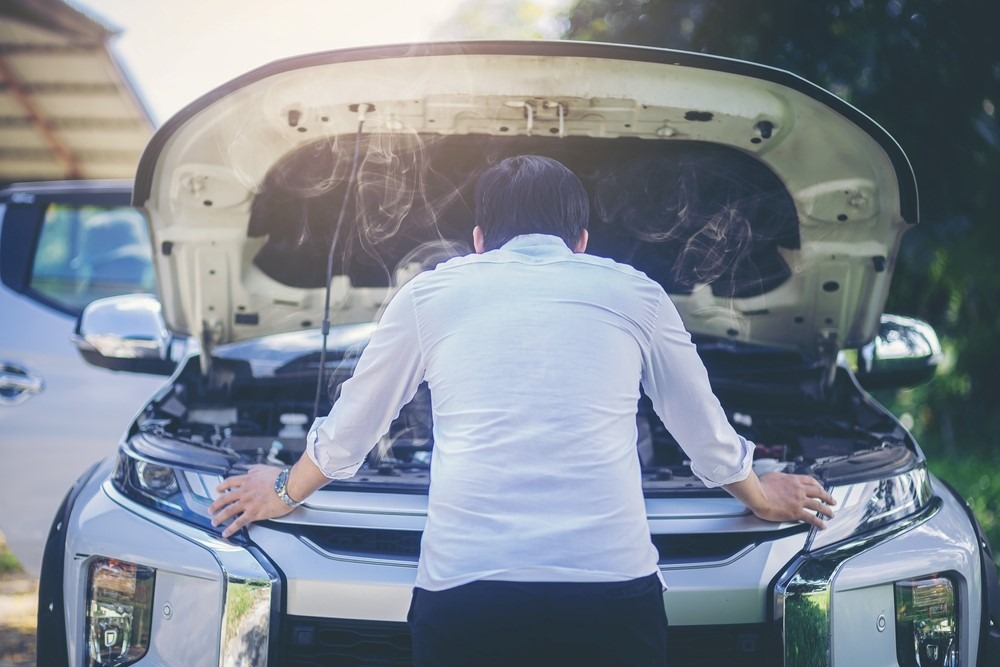
After driving for several kilometres, if you have ever touched the bonnet of your car, you have probably noticed it is very hot. That is because your car's engine has been heating up.
Don't worry, it doesn't necessarily mean it's due to a breakdown. Let's look at the reason it heats up, and what you should do if it overheats.
Why does a car engine overheat?
The explanation is quite simple: your car's engine heats up due to the combustion that occurs inside it, an essential process for generating energy that powers vehicles and produces a large amount of heat.
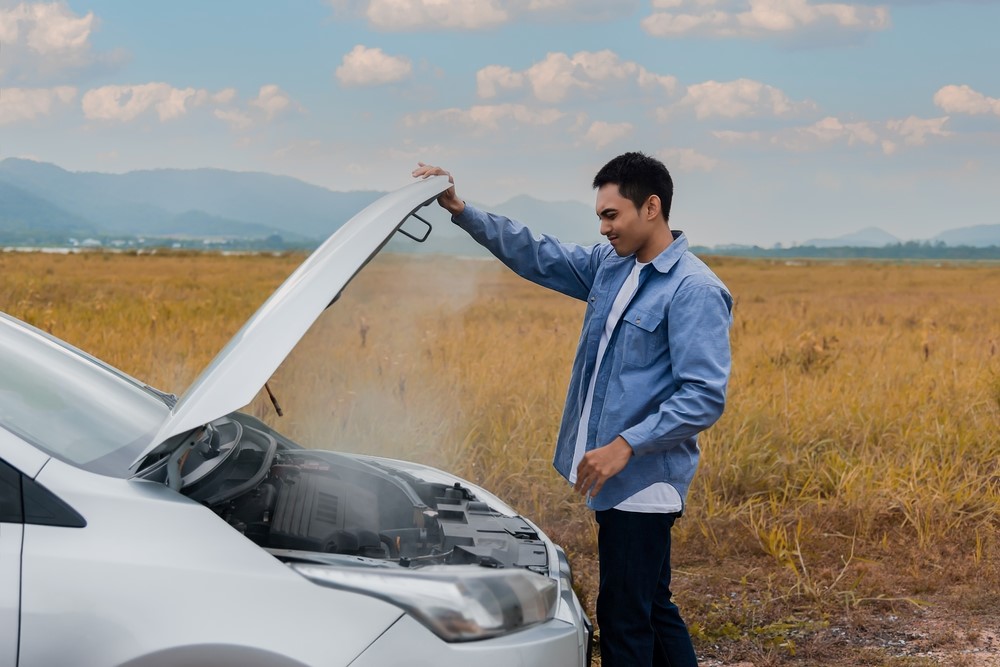
How is heat generated in the engine?
It is a completely natural process, caused by:
- Combustion, which occurs when air and fuel mix inside the cylinders, producing a controlled explosion.
- The moving parts of the engine, such as the pistons, connecting rods and crankshaft, rub against each other, generating friction and heat.
· There are other factors that can contribute to the engine heating up, such as air resistance, the oil pump, or the energy generated by other components like the alternator.
Is it normal for a car engine to get hot?
Yes, as we have already explained, it is a completely natural process that occurs inside the engine. In fact, car engines are designed to operate at certain temperatures.
What happens if the car engine overheats?
It is important to understand that there is a big difference between the engine getting hot and it actually overheating.
Overheating means the engine has exceeded its normal operating temperature, putting its components at risk.
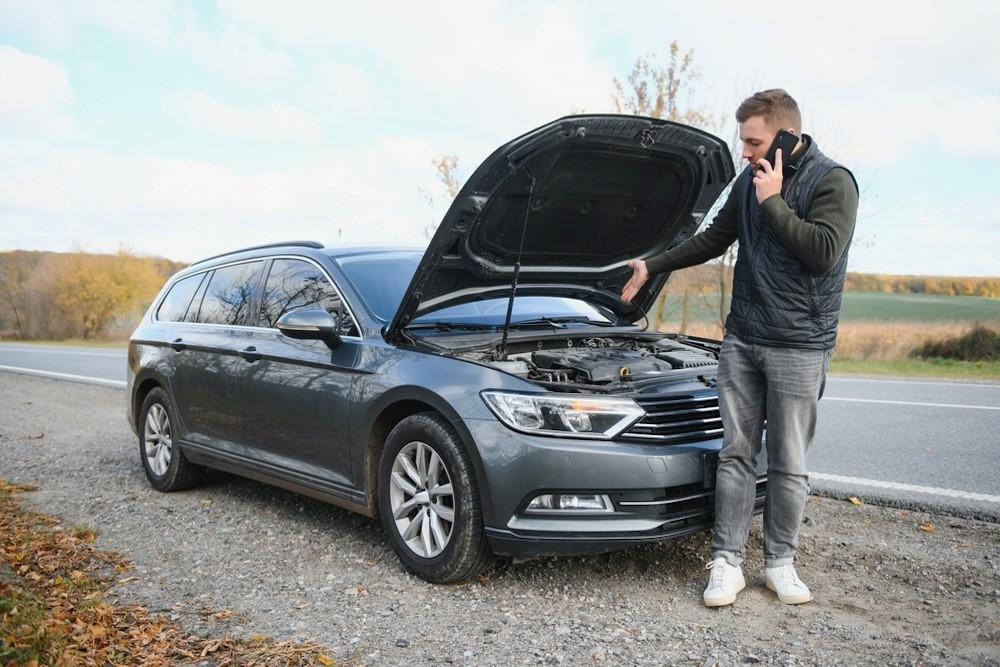
Why does the engine overheat?
The causes can be very varied, such as:
- A failure in the cooling system.
- A failure in the lubrication system.
- Problems in the combustion process.
- Having driven under demanding conditions in extreme circumstances.
You will know if the engine is overheating thanks to the water temperature gauge. If it moves into the red zone, or the temperature warning light comes on, you must stop immediately.
Why does the car overheat in low gears?
If your car overheats a lot in low gears, that is, at low speeds, the cause is usually insufficient forced air cooling. In other words, when driving at low speeds, there is not enough natural airflow passing through the radiator to dissipate the heat generated by the engine.
The cause? It may be due to one of the following problems:
Radiator fan failure
The function of this part is to draw air through the radiator when the car is stationary or moving slowly. If it does not work properly, the radiator will not receive enough air to cool the coolant.
Low coolant level
If the coolant level is low, there will be less fluid available to absorb and dissipate the heat from the engine, which could explain the overheating.
Faulty thermostat
The function of this part is to regulate the flow of coolant to the radiator. If it is stuck or not working properly, it will restrict the coolant flow, which will increase the engine temperature.
Faulty water pump
The water pump circulates the coolant throughout the entire cooling system. When it does not work properly, the circulation of this fluid will be inefficient and the engine will overheat.
The engine radiator is blocked
When the radiator becomes blocked, it cannot effectively dissipate the engine's heat, limiting air cooling.
Air in the cooling system
When air bubbles enter the cooling system, they can prevent the coolant from circulating properly, causing hot spots in the engine.
Damaged fan belt
If you have an older car model, the fan will likely include a belt. When this belt is loose or broken, the fan does not spin, so it will not produce sufficient airflow.
Faulty fan viscous clutch
This only applies to some cars; they incorporate a viscous clutch on the fan that helps it spin faster when the temperature rises. If this part fails, the fan cannot speed up to provide additional cooling to the engine at lower speeds.
Engine oil level
Although it does not usually explain why a car engine overheats, in some models when the oil level is low, internal friction in the engine increases, generating more heat, which could explain the overheating.
What to do when the engine overheats?
Here are some guidelines on what to do if your engine's overheating alarm has gone off:
Park in a safe area
As we have already mentioned, you should stop as soon as possible, in a safe place where you do not obstruct other drivers and can exit the vehicle calmly. Once parked, turn off the engine.
Wait before opening the bonnet
You will want to take a look at the engine as soon as possible, but don't rush. No matter what you may have seen in the movies, if you open the bonnet the moment you stop the car, you could be hit by a blast of steam or scalding liquid that could cause burns to your skin.
Wait calmly until the engine has cooled down completely.
Check the coolant level
Once the engine has cooled down, check the coolant level. If the level is low, top it up carefully.
Find the cause of the overheating
Do a visual inspection of the engine parts, such as the fan, check the oil level, or look for any loose parts or hoses.
Contact a mechanic
Before attempting to do anything yourself, it is best to leave everything in the hands of a professional, so they can inspect the vehicle's engine.
Will you need to replace the engine if it overheats frequently?
There is no need to panic. The fact that the engine suddenly overheats and starts to fail is not an indication that the entire engine needs to be replaced.
The cause may be due to parts in poor condition, rust inside the vehicle, or a loose part… All of this could be identified by a mechanic during a thorough engine inspection. You may need to replace the car's engine. But don't worry, it doesn't have to be a new one, as you have the option of buying a second-hand engine that is compatible with your vehicle.
Of course, until the necessary repairs have been carried out, you should not use it, as driving it in that condition could leave you stranded in the middle of the motorway or give you a serious fright.
It is better to carry out the repairs first and drive with peace of mind than to take unnecessary risks, don't you think?