


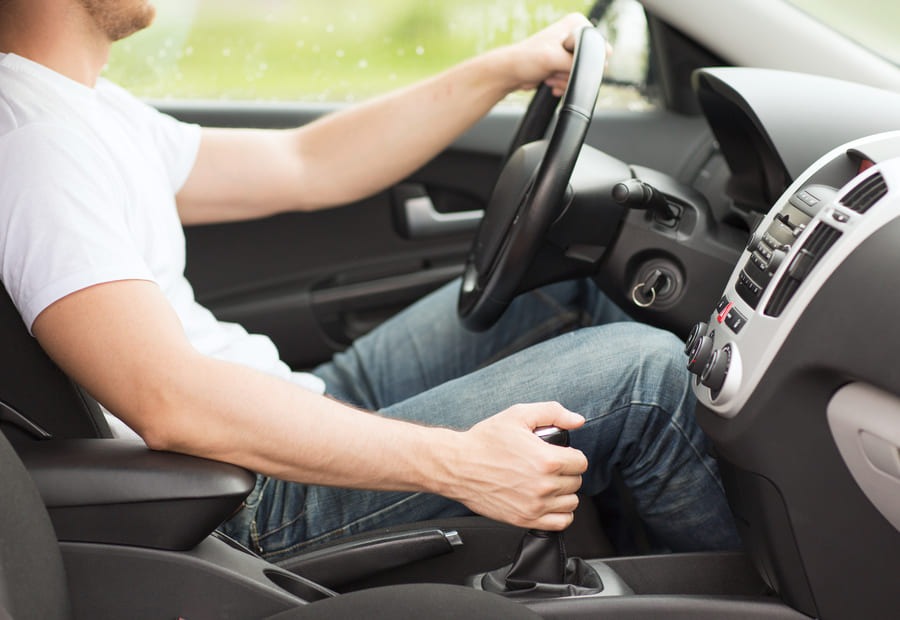
There is a belief that using engine braking accelerates wear on the transmission or the engine itself. In reality, it is quite the opposite: braking with the engine correctly does not cause significant wear and, moreover, protects the brake pads and discs by reducing their use. The problem is not the technique itself, but applying it incorrectly.
What really happens with wear?
When engine braking is used with the proper technique — downshifting progressively and at a reasonable rev range — the engine and transmission simply absorb the vehicle's natural deceleration, without sustaining any additional damage. The car's kinetic energy is safely dissipated through the engine itself, rather than being converted entirely into heat in the brake pads and discs. This is, in fact, one of the reasons why this technique is common on long descents: it reduces wear on the traditional braking system without harming the engine.
Parts that can wear out through misuse
Engine braking stops being harmless when executed abruptly. These are the three parts that can suffer premature wear if the technique is not applied correctly:
- The clutch. Releasing the pedal abruptly when slowing down, instead of easing it gently, creates a harsh friction between the disc and the flywheel that accelerates wear.
- The gearbox. Forcing a gear that is too short for the car's current speed puts unnecessary stress on the synchromesh rings and gears, especially if the downshift is done repeatedly and aggressively.
- The engine. Real damage only occurs if the downshift causes excessive revs that exceed the tachometer's red line. That is where engine braking goes from being a safe technique to a genuine risk for the engine.
How to apply the technique without damaging the car
- Downshift one gear at a time, not several at once, and let the revs match before releasing the clutch.
- Always ease the clutch pedal when downshifting; avoid releasing it abruptly.
- Watch the tachometer: if the selected gear brings the revs close to the red zone, it is too short a gear for that speed.
- Combine engine braking with the service brake when the required deceleration is strong or sudden; it does not replace the traditional brake in an emergency stop.
Related parts available at Recoautos
If after years of aggressive downshifting you notice clutch slipping, stiffness when changing gear, or any sign of transmission wear, these are the most common parts to inspect or replace — verified and with OEM reference in the Recoautos catalogue:
- Clutch kit — for wear on the disc and pressure plate caused by repeatedly releasing the pedal abruptly.
? View clutch kits at Recoautos - Clutch slave cylinder — common when the pedal loses firmness or the clutch does not disengage properly.
? View clutch slave cylinders at Recoautos - Second-hand gearbox — if the stress accumulated from forced downshifts has damaged synchromesh rings or internal gears.
? View gearboxes at Recoautos - Gearbox parts breakdown — individual components for specific repairs that do not require replacing the entire gearbox.
? View gearbox parts at Recoautos - Complete engine — in the extreme case of over-revving the engine due to a miscalculated downshift, with internal damage to pistons or connecting rods.
? View second-hand engines at Recoautos
Used wisely, engine braking is a safe technique that extends the life of your traditional brakes. Wear only occurs when it is applied abruptly and repeatedly — and in those cases, at Recoautos we verify every part before sale so that the repair is carried out with the exact OEM reference for your vehicle.