


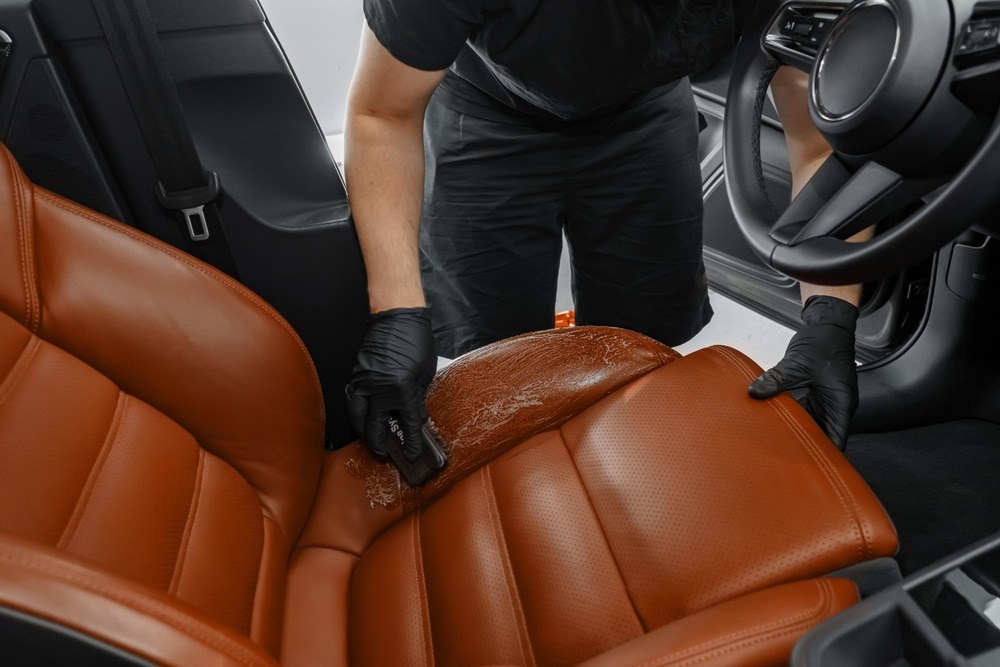
There are two reasons why we might decide to change the seats of our car: wear from daily use, or because we love tuning and want to customize it to reflect our personality.
The problem is that in Spain we cannot simply remove a few bolts and fit whichever seats we like; we must comply with current regulations to avoid issues such as failing the MOT and being unable to certify those seats.
If you find yourself in a situation where you need to change the car seats, especially the rear ones which are the most worn if you have children or frequently travel with your pets, you could buy second-hand rear seats, and save some money.
Once you have made the change, what steps should you follow to certify the new car seats and avoid problems with the MOT?
When do you need to change the seats of a car?
It is not always a whim; sometimes we find ourselves in a situation of necessity where we must change it, such as, for example:
Seat wear and ergonomics
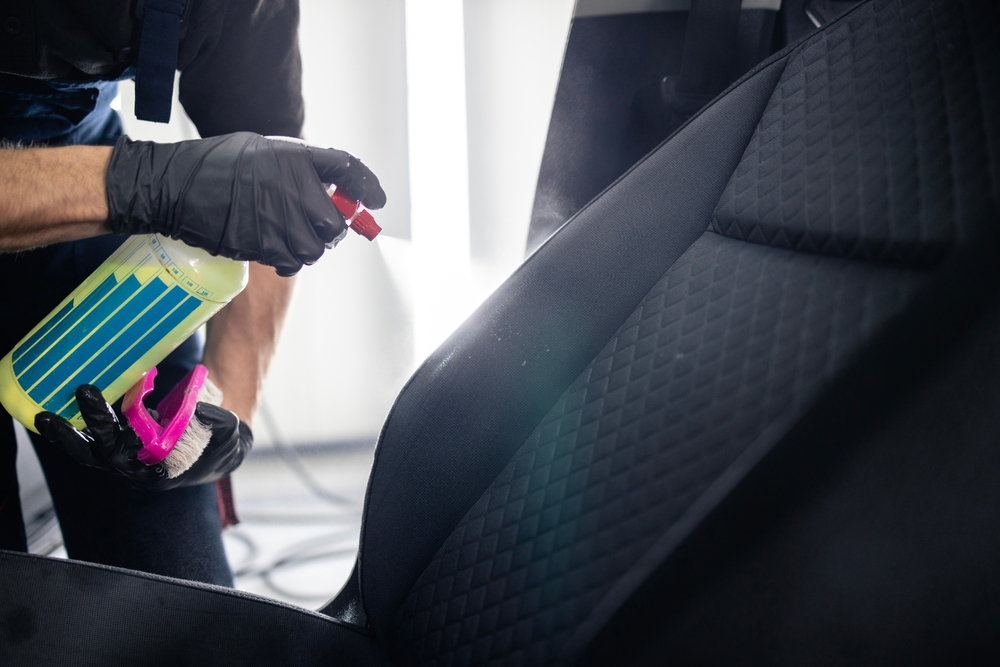
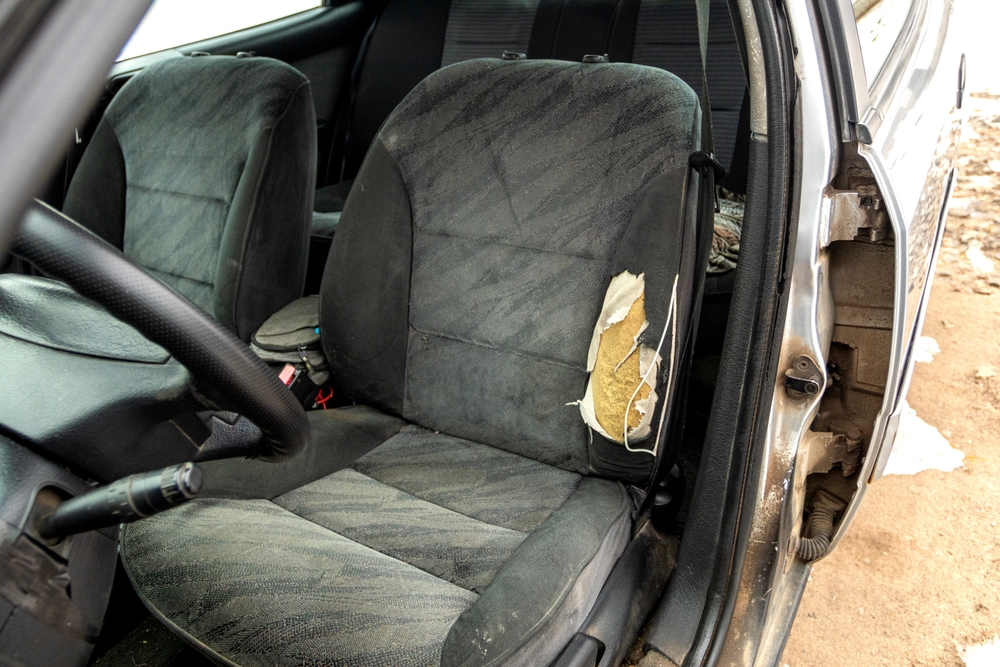
Over the years and the miles, the internal foam of the seats degrades. This causes us to lose lumbar support, which leads to back pain on long journeys. Replacing them with ones in better condition or from a model with better ergonomics dramatically improves driving quality.
Aesthetic improvement or better materials
Switching from basic fabric upholstery to leather or Alcantara seats from a premium version of the same model completely changes the perception of interior quality.
Enjoying the driving experience
For those who enjoy corners or take to the track, standard seats usually offer little lateral support. Installing semi-bucket seats prevents the body from shifting, improving control over the steering wheel and pedals.
Vehicle modification
In the world of vans, it is very common to want to install swivel bases or add rows of seats to transform a cargo van into a camper van or mixed-use vehicle.
Vehicle adaptation for reduced mobility
Sometimes it is necessary to install special seats to facilitate access to the vehicle for people with disabilities.
Can you change the seats of a car?
The short answer is yes, but with very important legal and technical nuances. From a mechanical point of view, almost any seat can be adapted to almost any car with the right rails and supports.
However, from a road safety and industry regulations perspective, the seat is a critical restraint element. For a seat change to be legally viable, it must comply with safety directives (such as Regulation 14 on seatbelt anchors and Regulation 17 on seat resistance).
There is another factor to take into account: if the original car has side airbags built into the seatback, the new seat should also have them and be compatible with the vehicle's ECU, or technically justify their removal, which is extremely complex and rarely accepted by certification laboratories today in modern vehicles.
Is it mandatory to certify the new seats in a car?
In Spain, any modification affecting safety elements or the structure of the passenger compartment is considered a "significant modification" under the Vehicle Modification Manual. Seats are no exception.
The purpose of certification is for an independent engineer and a modification laboratory to certify that the installation is safe. It is not enough for the seat to be "good"; what is evaluated is the complete assembly: Seat + Rails + Chassis anchors. If the anchors fail in a crash, the seat becomes a projectile. That is why legalization is a bureaucratic step that guarantees your life and the lives of your passengers.
When is it necessary to certify the seats of a car?
According to the current Vehicle Modification Manual, seats must be certified whenever they are not the original factory seats for that specific vehicle model. This includes the following common cases:
Non-original factory seats
If you install seats that do not exactly match the model, version, and year of your car, it will be mandatory to certify them, even if they belong to the same vehicle brand. For example, fitting the seats of an Audi A5 into an Audi A3.
Seats from another model or version
Even if the seat is from the same manufacturer (for example, from another model or higher trim level), it is not automatically considered equivalent. If it does not appear in the vehicle's original type approval, it must be legalized. This is because the anchor points or the floor resistance of the car can vary between versions.
Sports seats, semi-buckets, or bucket seats
Sports seats always require certification, regardless of whether they carry a CE marking or manufacturer certification.
An important note: fixed bucket seats (non-reclining) are usually very difficult to certify for road cars, as they prevent access to the rear seats or do not meet safety regulations for daily use. Semi-bucket seats (reclining) are the preferred option for passenger cars.
Changes affecting the original anchors
If the original anchors are modified, adapted, or replaced to install the seat (for example, welding new brackets or using custom-made adapters), certification is mandatory and the technical inspection will be much more rigorous.
Replacement of seats with safety systems
Any change affecting side airbags, occupancy sensors (the seatbelt warning chime), or seatbelt pretensioners must be certified and technically evaluated to ensure that the electronic system does not trigger an error and will function in the event of a collision.
In which cases is it not necessary to certify the seat change in a car?
Is there any case where certification is not necessary? Only in very specific situations where the nature of the vehicle is not altered:
Replacement with identical spare part
If your seat is broken and you buy an exactly identical one (same manufacturer reference, same model, and same anchoring system), it is considered a maintenance repair, not a modification.
Repair of the original seat
Re-upholstering the seat or replacing the internal foam without altering the metal structure or safety systems does not require any legal procedures.
Seat covers
As long as they do not interfere with the deployment of the side airbag, seat covers are an aesthetic accessory that does not require certification.
Certifying car seats step by step
If you have already decided on your new seats, the process to legalize them follows an established route that you must follow to the letter to avoid problems:
Choosing the right seats
The first step is to verify that the seats comply with regulations and are compatible with the vehicle. If you are going to install seats from another car, it is vital that you try to obtain the technical data sheet of the donor vehicle.
If you buy them new, make sure they have a European type-approval certificate.
Installation at an authorized workshop
The "do it yourself" approach is not valid here as far as the authorities are concerned. The installation must be carried out by a legally authorized workshop. Once the installation is complete, the workshop will issue the Workshop Certificate.
This document is sacred: it includes the tax details, the description of the modification, the stamp and signature of the person responsible. Without this document, no certification is possible.
Conformity Report
This is the technical document that validates that the modification is safe. It is issued by a specialized engineering firm with an accredited laboratory or, in very exceptional cases, by the vehicle manufacturer itself (although brands usually refuse to issue reports for parts that are not their own).
MOT inspection
With the Workshop Certificate and the Conformity Report in hand, you must book an appointment for a modification MOT. The inspector will check that the seats are firmly anchored, that the seatbelts fasten correctly, and that no warning lights (such as the airbag warning) are on in the dashboard.
Update of the technical data sheet
If the inspection is favorable, the MOT will note the modification on the technical data sheet (the green card or digital version). From that moment on, your vehicle is 100% legal and you can drive with the peace of mind that everything is in order.
What happens if you do not certify the change?
Many users are tempted to change the seats and "wait and see if they notice at the MOT". It is a risk not worth taking for the following reasons:
Failed MOT
Inspectors are trained to detect seats that do not match the original model (especially if you switch from fabric to leather or sports seats). If they catch you, they will reject the vehicle, giving you a deadline to either refit the originals or certify against the clock, which is always more stressful and expensive.
Fines and penalties
At a roadside check, if the officer detects that the seats are not the standard ones and are not listed on the technical data sheet, they can fine you between 200 and 500 euros. In serious cases (dangerous anchors or loose seats), they can even immobilize the vehicle and have it towed away.
Insurance problems
Of course, you will also have insurance problems in the event of an accident with casualties.
If the insurance company's assessor detects that the seats were not certified, the company may reject coverage. This means that you could have to face million-dollar claims out of your own pocket, on the grounds that the vehicle was not roadworthy due to an undeclared modification.
How much does it cost to change the seats of a car?
Answering this question is a bit difficult, as it depends on several factors such as the quality of the seat, the mechanic's workshop budget… But we can help you get an estimate by taking into account the price of the seats, labor costs, and certification.
Seat price
This is the point where the budget can increase the most, although remember that you always have the option of buying second-hand seats for your car, with prices ranging from 150 to 500 euros, depending on the condition and material.
Workshop labor
It is true that you can change the seats of your car yourself if you have the right tools; however, to obtain certification a workshop certificate will be required, so you will need to take your car to a mechanic.
How much will they charge you? Well, the price can vary from 80 to 300 euros, depending on whether structural modifications are needed or it is a simple swap.
Certification procedures
Unfortunately yes, the entire process and procedures to certify the seats of your vehicle will have a cost.
On one hand there is the technical project and conformity report, whose price ranges from 150 to 300 euros, and then there is the MOT inspection, which usually costs around 50–100 euros, depending on the region.