


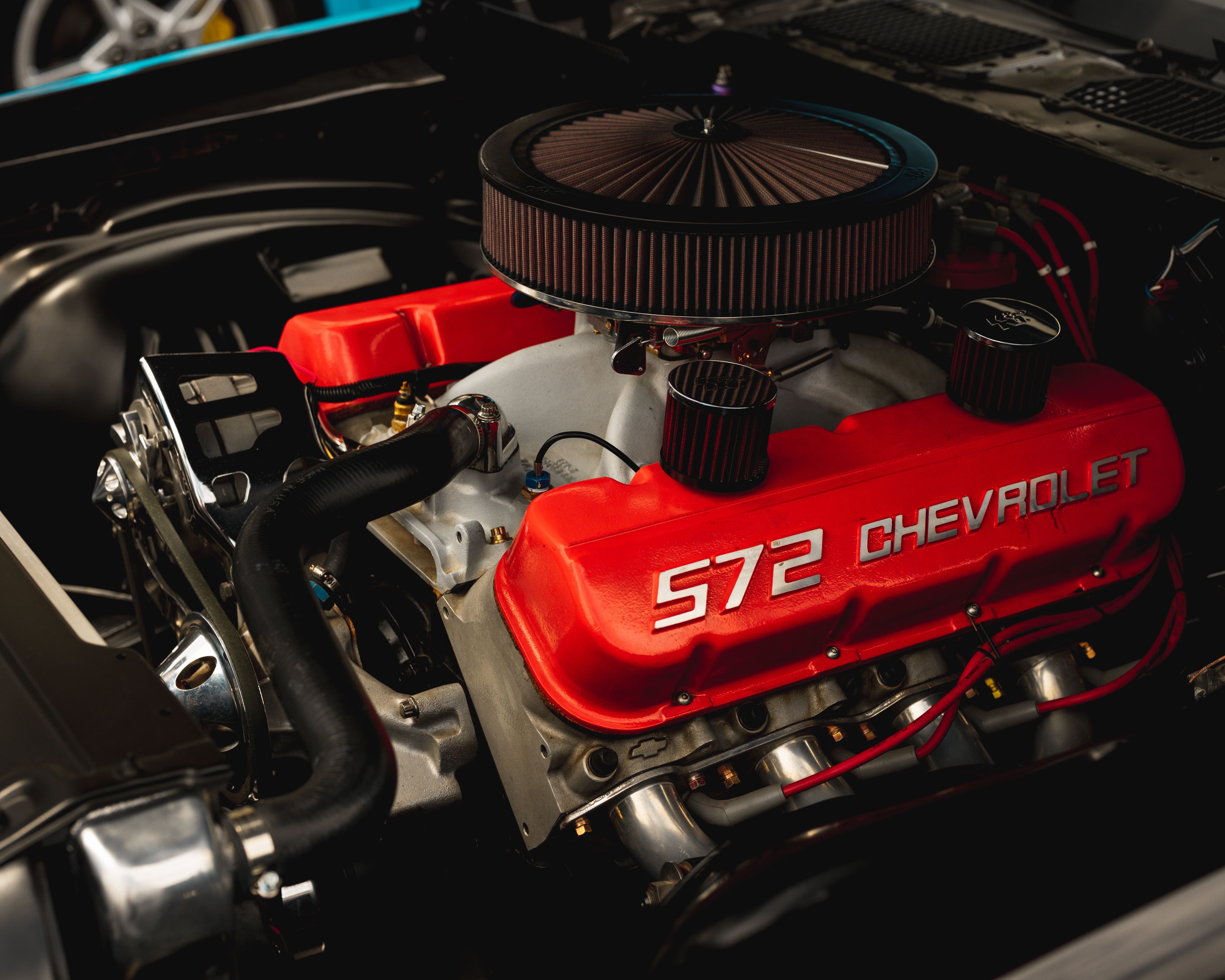
When a car engine suffers a major failure, one of the first questions is whether it’s worth repairing, replacing with a new one or looking for a used engine.
A used engine can be an appealing way to reduce repair costs and extend the vehicle’s useful life. But one point is essential: finding an engine that appears to come from the same car model is not enough.
Before buying, check its part number, compatibility, condition and warranty terms. We explain what to look for so you can avoid mistakes.
Is buying a used engine worth it?
It depends mainly on the vehicle’s condition and value, the type of failure and the repair cost.
When a major breakdown occurs, replacing the engine with a used one can be an alternative to installing a new engine or undertaking certain complex repairs.
In addition, reusing components from end-of-life vehicles makes use of parts that still have useful life left.
But for the purchase to make sense, you need to make sure the engine is compatible with the vehicle and is in suitable condition.
1. Check the engine code
This is one of the most important points.
Two cars of the same make, model and even year may have different engines.
That’s why searching only for:
“Volkswagen Golf engine 2017”
may not be enough.
It is much more precise to know the engine code, which allows you to identify the engine correctly and check compatibility.
Before buying, give the seller as much information about the vehicle as possible and check that the engine offered is the one you need.
2. Don’t assume an engine is compatible
Two engines having the same displacement or horsepower does not necessarily mean they are interchangeable.
Depending on the version, there may be differences in components, electronics, sensors, accessories or configurations.
For example, two vehicles may appear to have similar 2.0 TDI engines but use different engine codes.
That’s why, before buying, always confirm that the part is compatible with your vehicle.
3. Ask exactly what comes with the engine
When comparing used engine prices, make sure you’re comparing like with like.
An engine may be sold complete or without certain ancillary components.
Depending on the specific engine, it may or may not include components such as:
- Alternator.
- Starter motor.
- Air conditioning compressor.
- Turbocharger.
- Fuel injectors.
- Manifolds.
- Flywheel.
Before buying, ask exactly which parts are included. That way, you won’t discover during installation that you need to reuse components from your old engine or buy additional parts.
4. Ask about the engine’s condition
Another essential consideration is knowing what checks were carried out before the engine was put up for sale.
Ask the supplier about the engine’s condition and what information is available about the part.
Information about mileage, origin or checks performed, if available, can also help you make a more informed decision.
Don’t be afraid to ask questions. Buying an engine is a significant investment, and you should know what you’re buying.
5. Check the warranty
The warranty is one of the most important things to compare when looking for a used engine.
Don’t focus only on price.
Before buying, ask about:
- What warranty the seller offers.
- What situations it covers.
- What requirements must be met to make a claim.
- What documentation you should keep.
- What installation requirements the supplier sets.
It’s also a good idea to keep the invoice and all documentation related to the installation.
At Recoautos, we offer a 7-year warranty on our parts, subject to the applicable warranty terms.
6. How much does a used engine cost?
There is no fixed price.
The price of a used engine can vary considerably depending on factors such as:
- Make and model.
- Engine type.
- Engine code.
- Age.
- Availability.
- Demand for that part number.
- Condition.
- Included parts.
That’s why two seemingly similar engines may have different prices.
The best way to find out how much the one you need costs is to search using the correct reference number and check available stock.
7. Used, rebuilt or new engine: what’s the difference?
They are not exactly the same thing.
| Type | Characteristics |
|---|---|
| Used engine | Comes from another vehicle and is reused as a replacement part |
| Rebuilt/reconditioned engine | It has been disassembled or worked on to replace or repair certain components |
| New engine | New unit supplied as a replacement part |
The right option will depend on the vehicle, your budget, availability and the repair you need to make.
That’s why, rather than deciding solely on price, it’s worth comparing the total cost of the repair.
8. Is it better to repair or replace your engine?
This is another big question when a serious breakdown occurs.
If the problem affects a specific component and repair is feasible, repairing the existing engine may make sense.
However, when there is significant damage or the repair cost rises considerably, it may be worth comparing that estimate with the cost of installing another engine.
To decide, get a diagnosis of the vehicle and compare:
repair cost + labor
versus:
used engine + installation + any additional parts needed.
There is no single answer that applies to every car.
9. Common mistakes when buying a used engine
Many problems can be avoided before placing an order.
Mistakes to avoid include:
Buying based only on make and model.
Check the engine code and compatibility.
Choosing based solely on price.
A lower price is of little use if the engine isn’t right for your vehicle or the terms aren’t suitable.
Not asking what’s included.
Check which components come with the engine.
Not checking the warranty.
Read the terms before buying.
Not providing enough vehicle information.
The more details available to identify the part correctly, the lower the risk of a mistake.
How do you find the right engine for your car?
To find the right used engine, try to gather as much information as possible:
- Make.
- Model.
- Year.
- Engine type.
- Engine displacement.
- Horsepower.
- Engine code.
- Vehicle identification details when needed to check compatibility.
If you’re unsure, it’s best to ask before placing your order.
Frequently asked questions about used engines
How long can a used engine last?
There is no mileage figure that applies to every engine. Its useful life will depend on the model, previous mileage, maintenance, condition, use and installation, among other factors.
That’s why it’s better to assess the specific engine rather than assume all used engines will last a certain length of time.
Can I install an engine with a different code?
Don’t assume so. Even if two engines look the same, there may be important differences. Compatibility with the specific vehicle must be checked before purchase.
Is a salvage-yard engine the same as a used engine?
Both terms are commonly used to refer to used engines from other vehicles, although you should always check exactly what each supplier is selling and under what conditions.
What should I do before buying a used engine?
At a minimum, check the engine code, compatibility, condition, included components, price and warranty terms.
Find your used engine
If your car’s engine has suffered a major failure, it’s worth comparing your options before deciding whether to repair or replace it.
At Recoautos we stock used original parts and used engines for various makes and models.
Looking for a specific engine? Browse our used engines or contact us to check what options are available for your vehicle.