


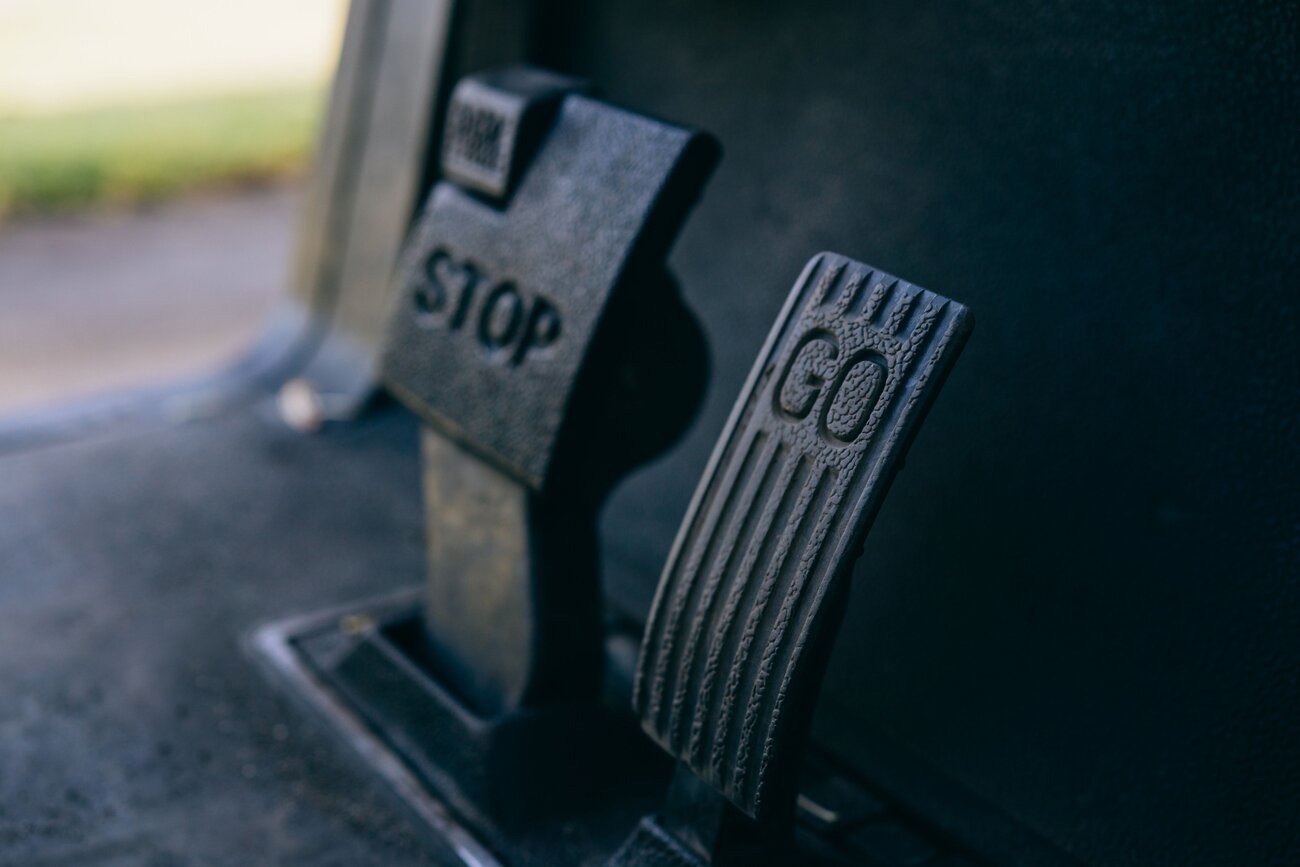
What wears out faster, the brakes or the clutch?
Both brakes and the clutch are subject to constant wear, but not at the same rate. The type of driving, the environment you drive in and your own habits at the wheel make an enormous difference in how long each part lasts.
How do the brakes wear out?
The brakes are used constantly, in practically every journey, to reduce speed or stop the car. The system is made up of discs, pads and, in some vehicles, drums and shoes. Every time you brake, the pads and discs generate friction to slow the car, and that friction gradually erodes the material of the pads and, over time, the discs as well.
This wear accelerates if you regularly drive in heavy traffic, in mountain areas where continuous braking is required, or if you have an aggressive driving style with harsh braking.
How does the clutch wear out?
The clutch is a key part in manual transmission cars: it connects and disconnects the engine from the wheels. Its wear occurs mainly when pressing the pedal to change gear.
If you keep the pedal pressed longer than necessary, or use it to hold the car on a slope instead of using the handbrake, wear increases considerably. Pulling away sharply or changing gear incorrectly also shortens its service life.
So, what wears out first?
Under normal driving conditions, brakes wear out faster than the clutch, simply because they are used in almost every driving situation, while the clutch only comes into play when changing gear. That is why manufacturers design the braking system to be replaced more frequently than the clutch.
That said, improper use — such as overusing the clutch on slopes or frequently making harsh starts — can equal and even exceed the wear the brakes suffer under normal use.
If you notice noises, vibrations or the pedal behaving strangely, it is worth having it checked as soon as possible. You can read more in our notes on how to detect brake problems in a vehicle early and on how to detect clutch problems in a vehicle.
How often should the clutch and brakes be changed?
There is no exact figure, because it depends on the car and each person's driving style, but indicative ranges do exist:
| Part | Indicative service life | What shortens it |
|---|---|---|
| Clutch | 50,000 – 100,000 km | Urban traffic, frequent gear changes, aggressive use of the pedal |
| Brake pads | 30,000 – 70,000 km | City, mountain areas, harsh braking |
| Brake discs | Longer lifespan, but inspected with each pad change | Completely worn pads, overheating |

Harsh braking wears far more than just the brakes
Braking constantly and harshly not only damages the brake pads and discs through continuous friction. It also affects other parts of the car that many drivers do not associate with braking:
Braking system
- Pads (brake shoes): they suffer direct friction every time the pedal is pressed.
- Brake discs: they absorb the heat generated and can warp or become scored if the pads wear down completely.
- Brake fluid: it loses its properties under the high temperatures caused by excessive use.
Suspension and steering
- Shock absorbers: they support the weight of the car shifting forward with each braking.
- Ball joints and bushings: they absorb repeated impacts every time there is a sudden change in speed.
Tires and transmission
- Tread: the constant friction when locking or decelerating wears the rubber of the tire.
- Clutch or transmission: in manual cars it is overloaded if the pedal is overused; in automatics, the constant weight transfer also demands more from the transmission.
Frequently asked questions
Do brakes wear out faster than the clutch?
Yes, in most cases. Brakes are used in almost every driving situation, while the clutch only works when changing gear, so brake pads normally need replacing first.
Can the clutch wear out faster than the brakes?
Yes, if the clutch is misused: keeping the pedal pressed unnecessarily, using the clutch to hold the car on slopes, or frequently making harsh starts can accelerate its wear to equal or even exceed that of the brakes.
Does harsh braking affect anything other than the brake pads?
Yes. It also causes additional wear on the brake discs, brake fluid, shock absorbers, suspension ball joints and bushings, tires and, in manual cars, the clutch.
How often should I inspect the brake discs?
Although they usually last longer than the pads, it is advisable to inspect them every time the pads are changed, as advanced pad wear can warp or score them.