


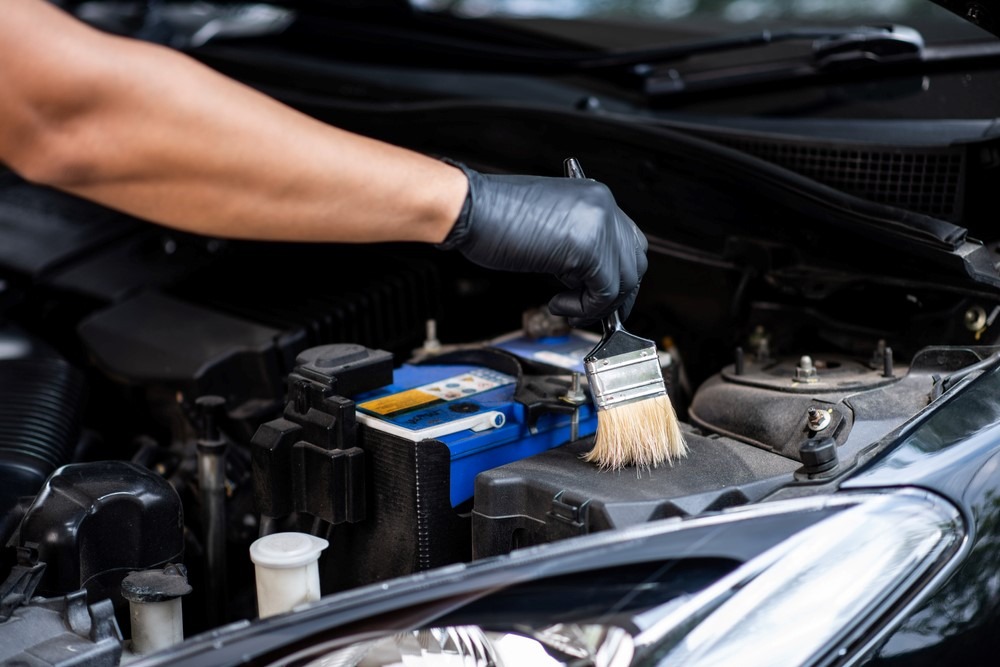
Why is it necessary to clean a car engine?
The first thing you need to understand is that it does not need to be done continuously, nor when you clean the exterior of the vehicle.
It needs to be done at least twice a year, or when you start to notice an excessive build-up of dirt and grease. On the other hand, it will allow you to detect worn or damaged parts and replace them with new ones.
What happens if you don't clean your car engine?
The build-up of residue in the engine compartments, such as the injectors for example, can cause complications, such as hindering heat dissipation, which will lead to the engine overheating.
It will also cause the ducts to become clogged, which will promote corrosion and premature wear of metal parts.
Does a second-hand engine need more cleaning than a new one?
No, if it has received proper maintenance, it will be enough to do the same as with a new one — clean it twice a year and that's it.
Are you planning to make modifications in addition to cleaning it? If it is a second-hand engine with a warranty, and these modifications could affect its performance or cause faults, remember that you will void it. So keep that in mind before making any changes.
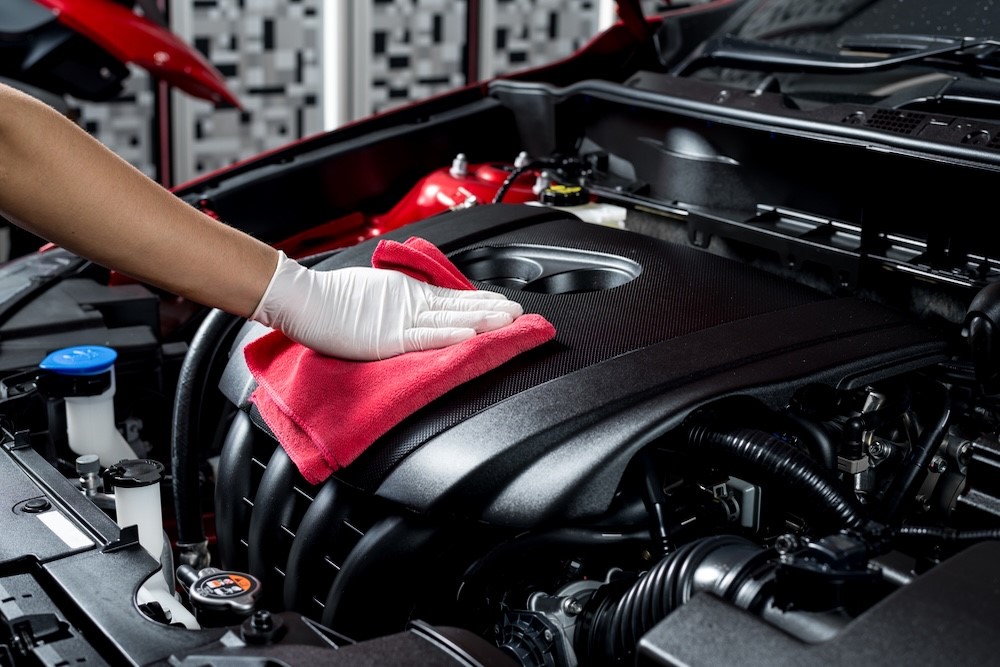
How to clean a car engine step by step
It's time to get to work, so we are going to walk you through the steps to thoroughly clean your car engine and leave it sparkling!
When is the best time to clean a car engine?
First of all, which day is best to do it? Well, even if you don't like the idea, hot days are the best.
The reason is that warm days, especially when humidity is low and there is some wind, help the engine and its components dry faster after cleaning.
The engine must be cold
It seems obvious, doesn't it? Well, keep it in mind. If you have driven the car to a place where you can clean it at your leisure, make sure to lift the bonnet and let the engine cool down for at least 15 minutes.
Hot parts, such as those of the powertrain, could not only burn you, but they also contract when they come into contact with cold water.
Preparations before you start cleaning
Before you get started, we are going to run through a series of preliminary preparations to carry out the cleaning without any setbacks:
· Remove the plastic cover from the engine.
· You should also disconnect the negative terminal of the battery.
· If you feel up to it, you can remove the car battery.
What products will you need to clean the car engine?
You actually need fewer things than you might think:
Degreaser
It can be one specifically designed for cleaning engines or a kitchen one. Although the first option is always better as it is designed for that purpose.
Brush
Not a metal brush — it must be a soft brush to clean and scrub surfaces without damaging them.
Sponge or microfibre cloth
We will use this to apply the cleaner and remove any excess.
Gloves
It is important to protect your hands from chemicals and dirt, so make sure you buy a good pair of latex gloves.
Face mask
If you are going to clean the car engine in your garage, wear a face mask to avoid inhaling the cleaner's fumes.
Adhesive tape or plastic sheeting
We will use this to protect the electrical components and prevent them from getting wet during cleaning.
Protecting the engine's electrical components
It is important to protect all the electrical components of the engine with plastic bags, such as the ignition wires, the engine control unit, the battery if you decide not to remove it... This way they will not be damaged when they come into contact with certain products.
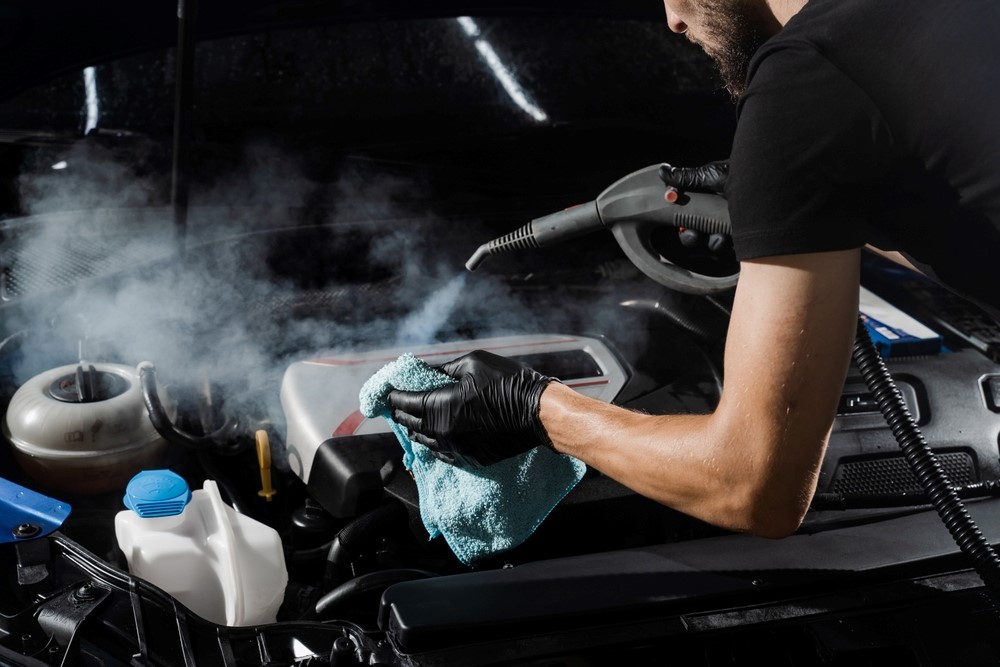
Spray the engine compartment with degreaser
Simply do as we say: Spray the entire engine compartment with a degreaser (if you don't have one for cars, you can use a kitchen one).
Scrub thoroughly
At this step we recommend using a small brush with synthetic filaments (don't even think about using one with metal bristles) to clean away the dirt, applying more degreaser to the areas that need it.
Rinse the engine
For this step we recommend using a high-pressure cleaner on a setting that is not too intense. A standard hose can also be used.
Rinse the entire compartment, starting from the back towards the front, to remove all the degreaser. Make sure not to spray directly onto electrical components.
Drying the engine
Ideally you would use a compressed air tool, but if you don't have one, you can use a towel and a cloth to dry the components.
Once you have finished, remove the plastic covers and reconnect any electrical parts you had previously disconnected. And that's it! Your vehicle is now clean.
Can you clean a car engine with pressurized water?
Although it may not seem like it, cleaning your car engine can take you at least a couple of hours. Maybe more if you are not very used to doing it.
Knowing this, you may have considered the idea of trying to clean it with pressurized water, right? Well, we are going to explain why that is not a good idea:
· You could damage the vehicle's electrical components. No matter how well you protect them with plastic, it is not the same as following the steps we have outlined as firing a pressurized jet of water.
· Water pressure can damage the seals and gaskets that prevent oil and other fluid leaks.
· Water can become trapped in cavities or grooves, causing oxidation of metal components and leading to their deterioration.