



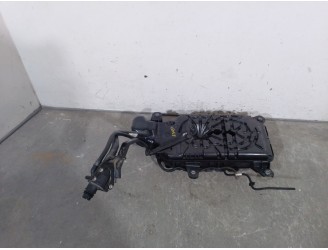

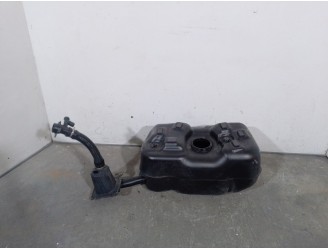
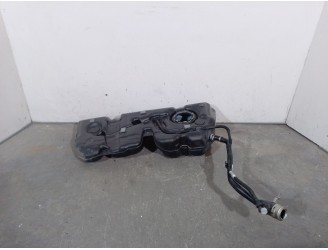
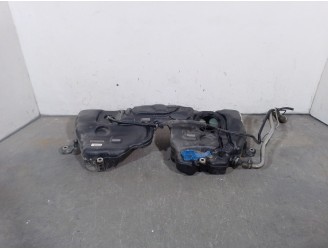


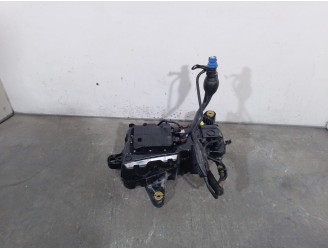


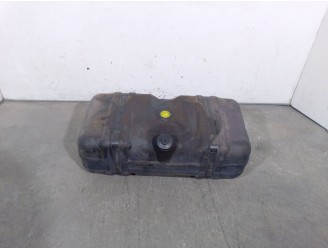
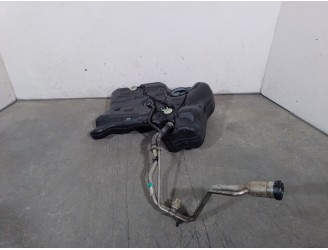

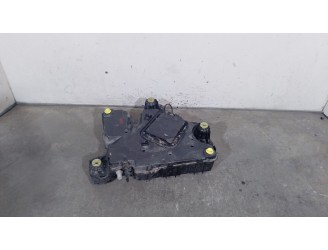


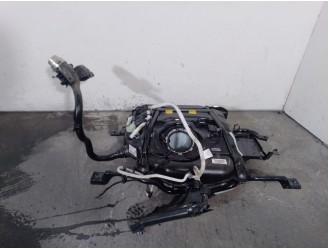
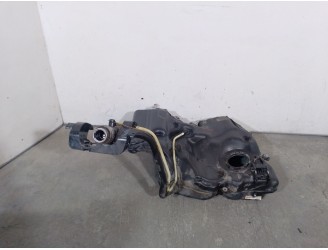


Find the used fuel tank for your car at the best price at Recoautos!
The fuel tank is a fundamental component in any internal combustion engine vehicle, as it acts as a reservoir for petrol or diesel. Its design is quite complex, but it is built that way to ensure safety, fuel efficiency, and emissions control. Inside, it not only holds the fuel, but also houses the fuel pump, the level sender, and an intricate ventilation system. In short, if this part starts to fail, you won't be able to drive properly and you'll need to repair or replace it.
Frequently asked questions
To put it simply, its primary function is to safely store the fuel — whether petrol or diesel — that the engine needs to run. But it also serves a number of other purposes, such as:
- Keeping the fuel free from impurities.
- Regulating internal pressure to prevent the excessive release of vapors.
- Enabling the fuel level to be read via the fuel gauge sender unit.
- Housing the fuel pump.
In the past, fuel tanks were made from steel, but today they are manufactured using high-density plastic, typically high-density polyethylene or HDPE. This material offers several advantages:
- Lighter weight.
- Greater flexibility and resistance to minor impacts.
- Lower likelihood of corrosion.
- More complex shapes that allow for better space optimization.
If there is a leak, you will notice:
- A strong smell of gasoline while driving.
- Fuel stains underneath the vehicle.
- A drop in the fuel level.
- The Check Engine light on the dashboard will come on.
- Engine performance issues.
As for the causes of a leak, this may be due to corrosion of the tank if it is metal, or damage from an impact. It can also be caused by worn seals or gaskets, or a failure in the ventilation system.
It is highly dangerous, as it can lead to a fire — fuel vapors are extremely flammable — as well as environmental contamination when fuel spills onto the ground. This will also inevitably cause your vehicle to malfunction. If you suspect there is a leak, thoroughly inspect your car before driving to avoid potential accidents.
The best approach is to avoid driving with the tank nearly empty, as this puts strain on the fuel pump and, in the case of metal tanks, promotes condensation and corrosion. When filling up, always use high-quality fuel to minimize sediment buildup. Additionally, replace the fuel filter on a regular basis to protect the tank and injection system from impurities.
This depends on the type of tank and the extent of the damage. Plastic tanks can have small cracks and holes repaired using special plastic welding kits or epoxy, though this does not guarantee long-term durability. Metal tanks can have cracks welded or patched, but internal corrosion may become a problem down the line. If the repair cannot guarantee complete safety while driving, the best course of action is to replace the tank.
When you need to replace this part, buying it used is always a great option. Consider all the advantages:
- The cost of acquiring the part will be considerably lower than buying a new one.
- If your car is older, finding the right replacement will be easier.
- Compatibility is guaranteed, as the parts come from the same model.
- These are inspected parts that are in excellent condition.
- You have a warranty that allows you to return the part if any issue arises.
And at Recoautos, if we don't have the part you need in stock, we'll help you track it down through our Localizauto service.