


Second Hand Clutch Kit
A Clutch Kit? Yes, of course we have it! If you need help finding the one that best fits your car, don't hesitate to ask us!
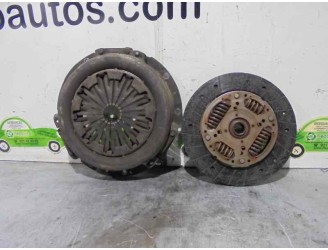

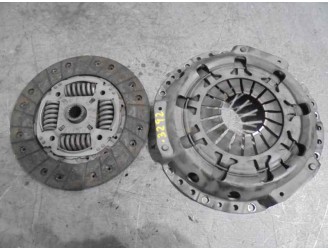
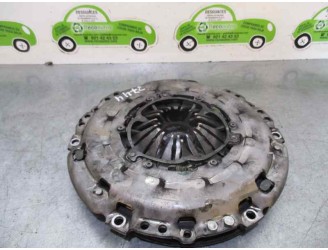
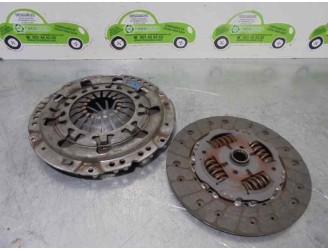
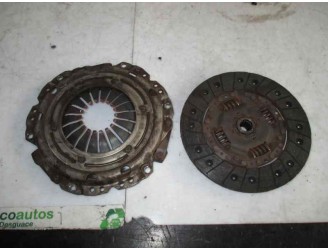
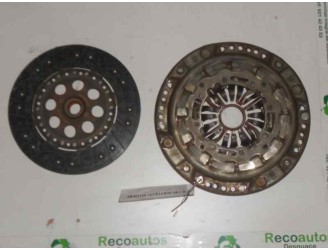
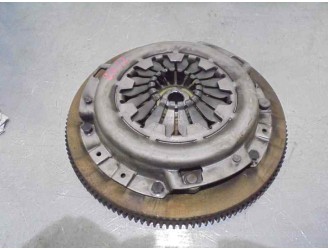
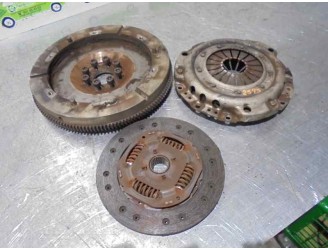
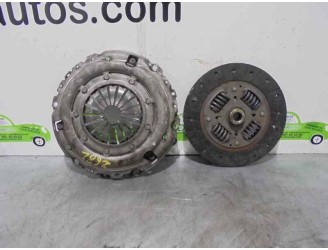
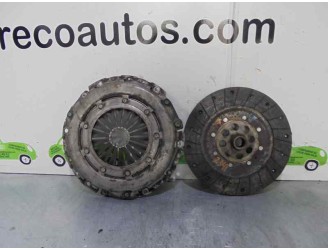
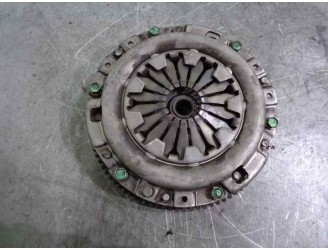
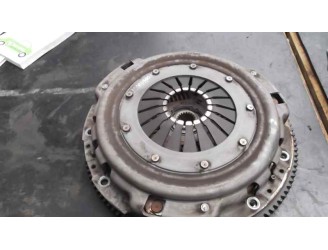
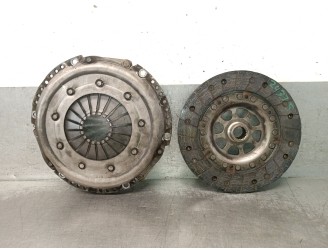
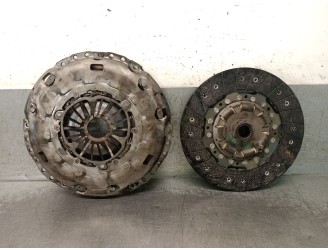
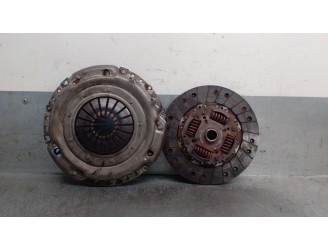

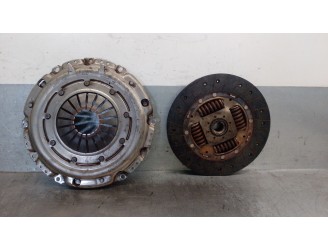
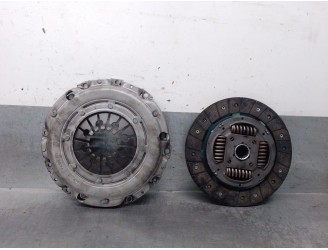

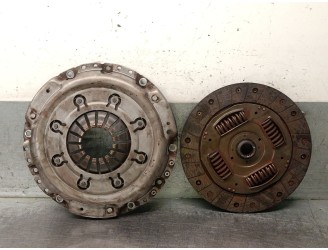
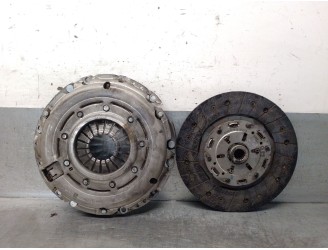
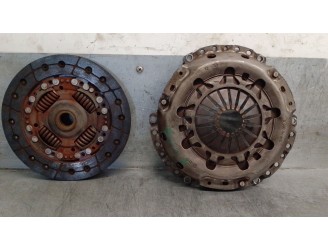
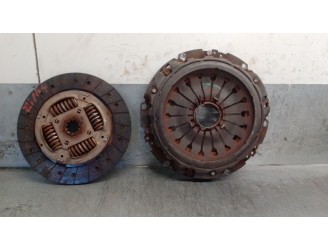
Replace your old clutch with one of our used clutch kits!
The clutch is the heart of your vehicle's transmission, acting as a physical bridge between the engine and the gearbox, allowing the power generated by the pistons to reach the wheels in a controlled way.
Since it is constantly subjected to friction, its lifespan is quite limited, and the bill can be quite considerable if the parts are new. That's where our used clutch kits come in — a smart option if you want to save money when replacing this part.
Preguntas frecuentes
Its function is to interrupt the flow of power from the engine to the wheels, so that we can change gear without damaging the gearbox cogs. Another function is to keep the vehicle running when it is left in neutral — that is, when the vehicle is stationary — allowing for a smoother start when pulling away.
When we refer to a clutch kit, we are talking about a set of parts required for this vehicle component to function correctly, consisting of three pieces:
- The clutch disc, which is the part that tends to wear out the most with use.
- The pressure plate, which presses the clutch disc against the flywheel.
- The release bearing, which transmits the movement toward the pressure plate when the clutch pedal is pressed.
Opting for the complete used kit ensures that the wear across the parts is uniform, preventing an older component from prematurely damaging a new one.
At Recoautos we only sell parts that have been previously verified, carrying out the following checks:
- The condition of the disc grooves.
- The color of the metal, discarding any that show bluish or iridescent tones.
- The condition of the splines — that is, the central hole where the gearbox shaft fits — to ensure there is no play and that the teeth are not chipped.
No, not even if they are from the same brand.
The reason is simple: each part is specifically designed for a particular vehicle, with a specific disc diameter, number of teeth, and pressure load capacity that the flywheel can handle. To make sure you get the right kit, you should search for the part using the engine code or the VIN (chassis number).
On each product listing we specify the vehicle each kit originally belonged to. But if you have any trouble finding it, get in touch with us and we'll look it up for you.
While you'll find plenty of tutorials out there on how to do it, we'll be upfront with you: this is one of the most complex repairs you can undertake.
Replacing a clutch kit requires lifting the vehicle, removing the driveshafts, disconnecting the gearbox linkage, and taking out the gearbox itself — which on manual vehicles can weigh between 40–50 kg — and you'll also need specific tools, such as a clutch alignment tool.
In short, unless you have extensive experience in vehicle mechanics and a small workshop at home, we would not recommend attempting this yourself.
There are three clear warning signs:
- When you accelerate, the engine revs increase but the vehicle speed does not.
- When you press the pedal, it feels stiff or you hear a squealing noise.
- You start to notice a burning smell.
No, it is not included. If you are looking for a specific flywheel to go with the clutch you are installing, you should visit our used flywheels section, or contact us directly and we will point you toward the models that would be compatible.
Absolutely, as long as the part has not been modified or altered prior to installation.
They are not compatible, unless the manufacturer specifically states otherwise.
To put it simply: a diesel engine clutch is more robust, as it has to withstand the engine's higher torque output, whereas petrol clutches could be considered somewhat less heavy-duty by comparison.
If your vehicle uses a cable, replacing it is a minimal investment that ensures the pedal feels smooth. If it is hydraulic, it is essential to check that the clutch slave cylinder has no fluid leaks. If the slave cylinder fails shortly after fitting the used kit, you will have to disassemble everything again, costing you time and money.
It depends on the condition of the specific unit, but they can last around 100,000 km, depending on your driving style.