


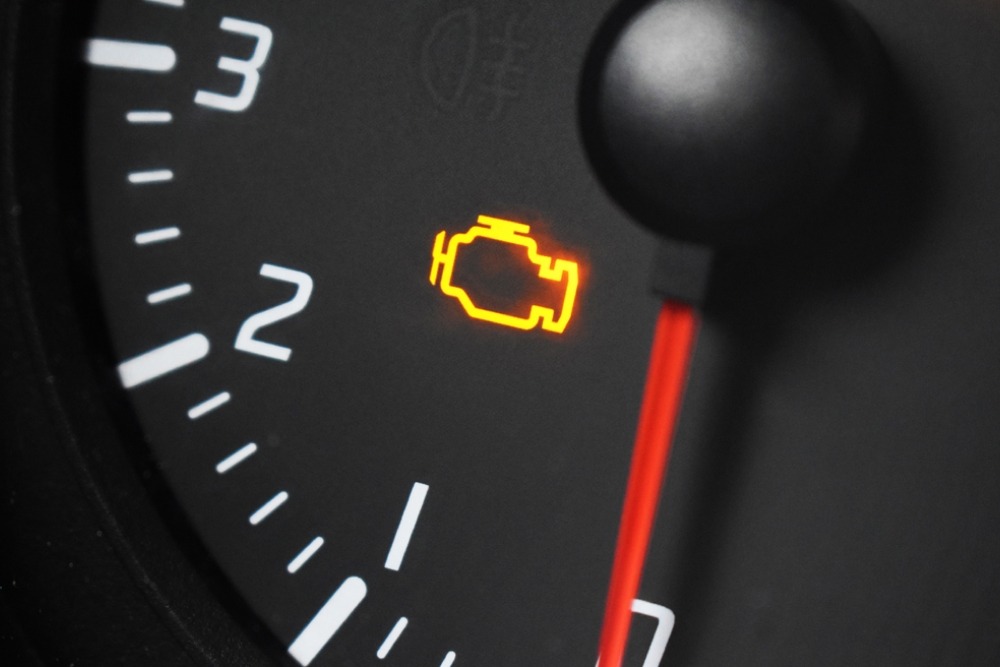
Have you ever noticed a light on your car's dashboard that comes on and then disappears? This light is known as the engine warning light, engine fault light, or Check Engine light.
But why does the engine fault light come on? Does it mean you should take your vehicle to the garage quickly? Let us explain its meaning according to the color and the different causes!
What is the engine warning light for?
First of all, you need to understand what this light means. The engine fault light is a warning light located on the instrument panel of your car.
It is normally represented by the icon of an engine, or with the words Check Engine or Service Engine Soon. What is its function? To warn us that the car's on-board diagnostic system (OBD) has detected a problem or malfunction in one of the systems related to the engine.
What does the car engine light mean according to its color and intensity?
You may never have noticed, but depending on the severity of the problem, the engine warning light will be a certain color and the light will be either fixed or flashing. What does each color and intensity represent?
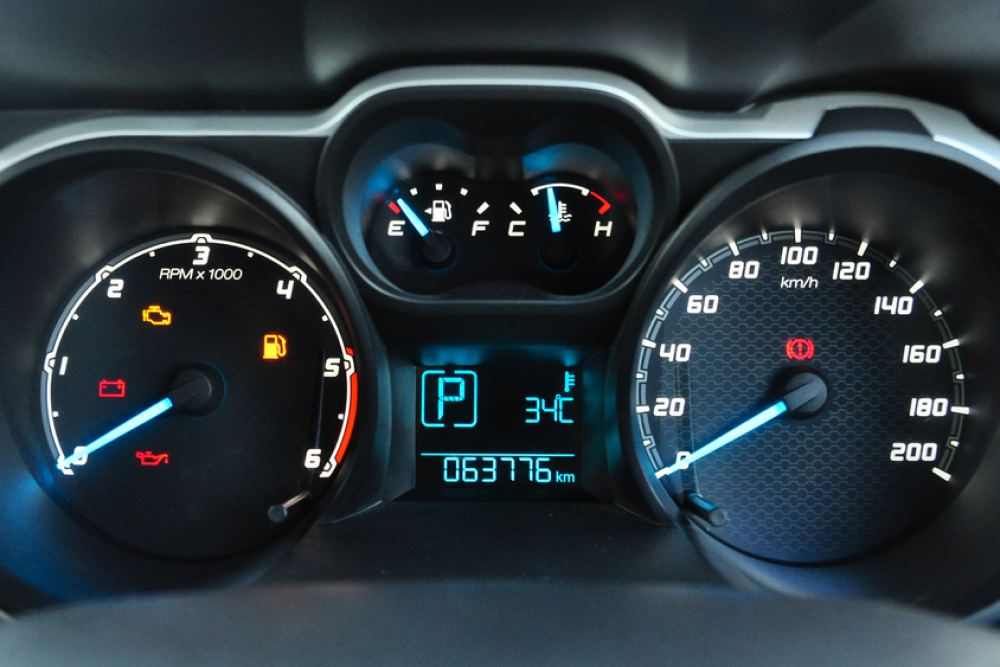
Fixed yellow or orange light
This is the most common color of the Check Engine light. Whether it is orange or yellow depends on the car model and the manufacturer.
If the light is fixed, it is telling us that the OBD has detected a problem that needs to be checked, but it does not require us to stop the car immediately or prevent us from driving.
Unless you notice that the car is not responding correctly, strange noises, or that the engine is overheating excessively, you should not worry. You can take your time bringing the car to the garage.
Flashing yellow or orange light
Things change a little if the light flashes with a yellowish or orange tone, as it is warning us that the problem is more serious.
If ignored, this fault could damage the engine or the catalytic converter. In this case, the best thing to do is to stop the car safely as soon as possible and call a tow truck or roadside assistance service.
Red light
If the engine warning light is red, whether flashing or fixed, it means there is a very serious problem that requires immediate attention.
Do not drive the car with this light on and make sure you seek professional help, or you could get a nasty surprise while driving.
Don't worry, it doesn't mean you'll have to replace the engine. That said, if it ever comes to that, our advice is to go for buying a second-hand engine — and spend what's left over at the garage!
What happens if the Check Engine light turns off shortly after starting the vehicle?
You may have been a little worried by what we mentioned in the previous point, but we have some good news for you.
Imagine you start the car and notice that the warning light has come on, but it turns off after a few seconds. Breathe easy, because that's perfectly normal!
Those few seconds during which it comes on allow the control unit to perform an initial check of the engine. If everything is correct, it will turn off automatically. However, if it stays on, it means there is a problem and a professional should inspect the engine.
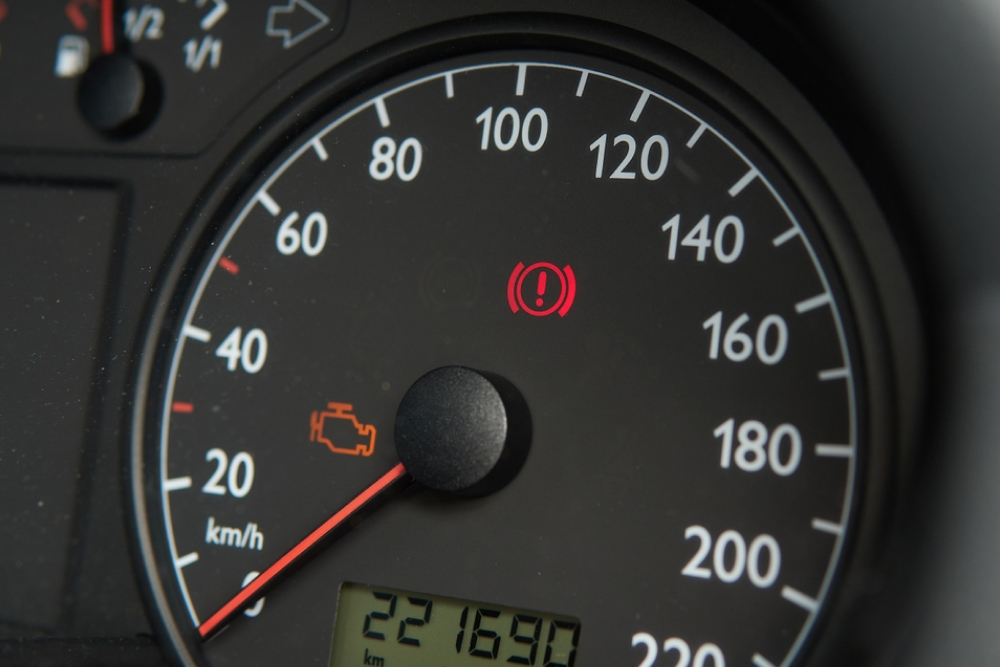
Should I go to the garage if it stays on after starting the engine?
As we have already mentioned, the engine fault light staying on means there is an anomaly in the engine, and that, depending on the color, it can have one meaning or another.
While you could drive with it on, you could face some problems, such as defects in the injection system, which will have the following consequences:
- Reduction in vehicle maneuverability
- Increase in pollutant gas emissions
- Decrease in vehicle performance
- Increase in fuel consumption
What if it stays fixed but doesn't flash and the car runs fine?
When this light comes on, there is no need to panic, as the cause of the fault could be many things.
For example, imagine you are driving, the engine warning light comes on, but it stays fixed without flashing. You drive normally and don't notice anything failing.
What could be the cause? In these cases, the most common culprit is the EGR valve, a system that reduces NOx emissions by optimizing exhaust gas management. Although it is not something of "vital importance," you should visit the garage so they can check whether this is the cause and, if so, clean or replace it with a new one.