


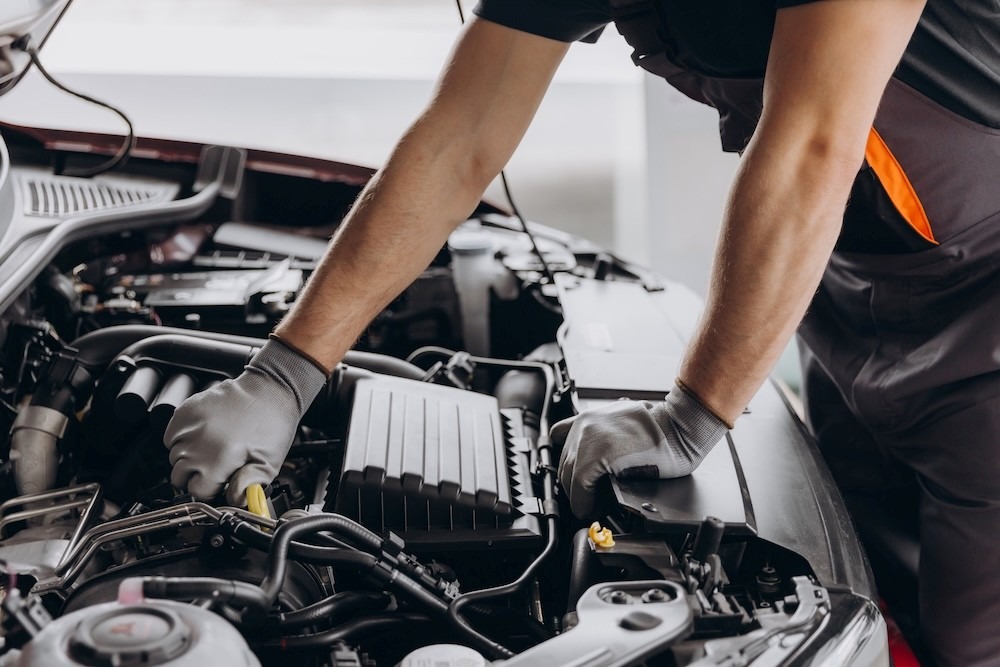
Carrying out maintenance on a petrol car is not only a matter of prevention, but also of safety and long-term savings. The periodic checks recommended by manufacturers, generally between 15,000 and 30,000 km, or every 2 years at most, are essential to ensure that the engine operates efficiently, consumes the right fuel and emits fewer pollutants. For example, a Peugeot 208 requires maintenance every 20,000 km, while a Renault Clio needs it every 30,000 km, although these intervals may vary depending on the age and mileage of the vehicle.
This care becomes even more relevant when we talk about cars equipped with second-hand engines. In these cases, proper maintenance not only extends the engine's service life, but also allows potential problems inherited from previous use to be detected and corrected in time. Furthermore, the fuel system, a key component in the performance of any engine, requires special attention to ensure an optimal mixture of air and petrol that promotes combustion and prevents operational failures.
From Recoautos, we show you, step by step, the essential tasks to keep your petrol car in perfect condition, including practical tips for caring for second-hand engines, preventing costly breakdowns and optimising your vehicle's performance.
The importance of caring for a petrol engine
The engine of a petrol car is the heart of the vehicle and its proper functioning depends, to a great extent, on the condition of the fuel system. This system is essential for supplying the engine with the correct mixture of air and petrol that allows for efficient combustion. When the necessary checks are not carried out, problems can arise such as loss of power, increased fuel consumption and even serious breakdowns that compromise the engine's service life.
Proper maintenance not only improves performance, but also guarantees safer and more economical driving.
Benefits of maintaining a car with a petrol engine
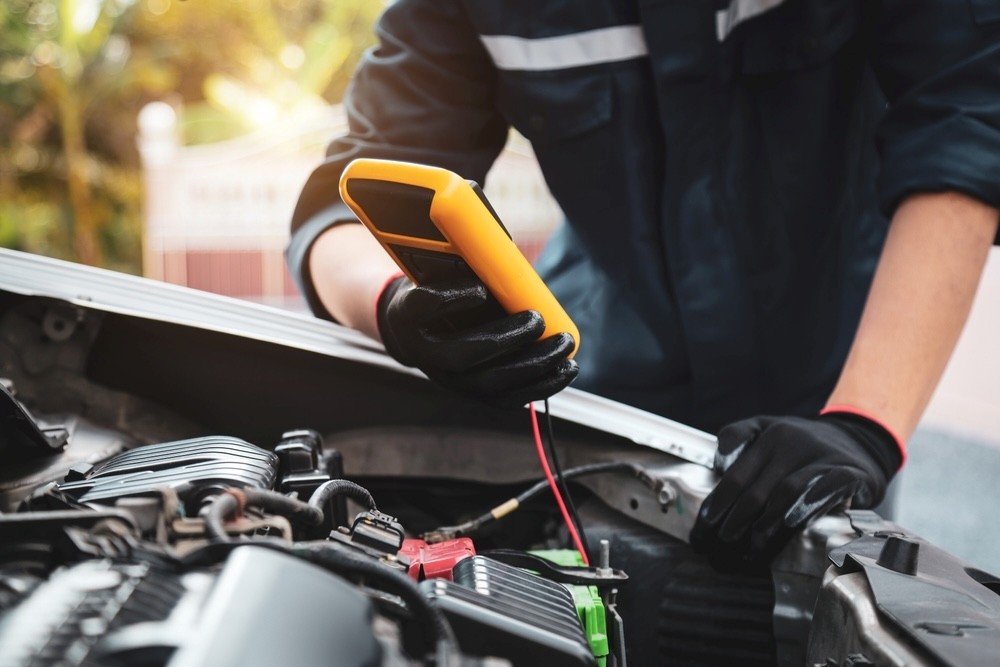
Carrying out proper maintenance on a car with a petrol engine not only prevents costly breakdowns, but also improves the vehicle's overall performance. A periodic inspection plan, especially focused on the fuel system, is key to optimising driving, saving money and ensuring safety at the wheel. Below, we show you the main benefits of applying good petrol engine care practices:
Engine performance
A clean and well-adjusted fuel system allows the engine to operate efficiently and deliver the necessary power in every situation. Caring for the petrol engine through actions such as cleaning injectors and replacing the fuel filter improves throttle response and reduces the occurrence of jerks or failures while driving. These petrol engine care practices are essential to extend its service life and prevent premature wear.
Fuel savings
Proper petrol car maintenance also translates into more efficient consumption. When the injection system, filters and spark plugs are in optimal condition, the engine burns fuel correctly, which reduces petrol expenditure and generates significant long-term savings. In addition, the use of quality additives such as MP 173 Active Petrol Substance helps to keep the fuel system clean, improving the engine's efficiency and durability.
Reduction of pollutant emissions
Caring for the petrol engine not only benefits the car, but also the environment. A well-maintained vehicle emits fewer pollutant gases, complying with emissions regulations and helping to reduce the environmental footprint. A clean and well-maintained engine requires less effort to operate, generating fewer combustion residues.
Greater safety and reliability
Good petrol car maintenance minimises the risk of unexpected breakdowns that could put your safety at risk or leave you stranded on the road. Periodically checking the fuel system, changing filters at the recommended intervals and carrying out preventive diagnostics allows you to drive with peace of mind and confidence.
In short, knowing how to care for a petrol engine does not only involve checking the fuel system, but also adopting comprehensive maintenance habits that guarantee its good condition. These practices extend the engine's service life, improve its performance and reduce environmental impact, achieving efficient, safe and economical petrol car maintenance.
How to care for a petrol engine?
Unlike other types of engines, petrol cars require checking a series of key components that directly influence performance, safety and fuel consumption. Carrying out a periodic check allows you to apply the necessary petrol engine care to avoid costly breakdowns and keep the car in perfect condition.
Below, we detail the main elements that should be checked for proper maintenance of a car with a petrol engine:

Engine oil and filters
Oil lubricates and protects the internal parts of the engine, preventing premature wear. It is essential to check its level and quality regularly and replace it according to the manufacturer's recommendations. Alongside this, the oil filter, the engine air filter and the fuel filter (or petrol filter) must be changed, thus preventing impurities or residues from affecting engine performance.
Cabin filters
Caring for the petrol engine also involves ensuring air quality inside the car. The cabin filter must be replaced periodically to ensure that the interior air is clean and free of contaminants.
Tyres
Good petrol car maintenance involves checking the pressure, wear and condition of the tyres. Incorrect pressure not only affects safety, but also fuel consumption and road stability.
Brakes and brake fluid
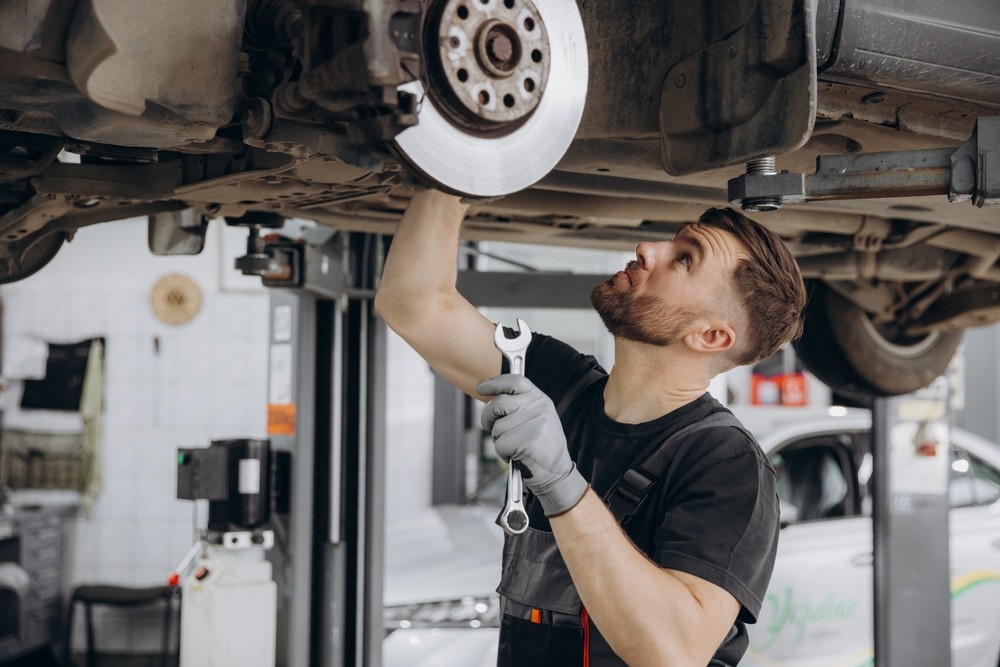
Brake pads, discs and brake fluid are critical elements for safety. Checking them frequently is an essential part of petrol engine care, as an efficient braking system protects both the driver and the vehicle.
Shock absorbers
Although their wear is not always obvious, deteriorated shock absorbers affect the car's stability and increase braking distance. Their periodic inspection is key in petrol car maintenance.
Timing belt
A worn or loose belt can cause serious damage to the engine. Checking its condition and replacing it in time is essential for caring for a petrol engine and avoiding major breakdowns.
Exhaust system and catalytic converter
These components are responsible for reducing noise and pollutant emissions. Proper maintenance of the exhaust and catalytic converter not only improves performance, but also helps to comply with environmental regulations.
Second-hand petrol engines — do they need special maintenance?
Second-hand engines are an excellent alternative for those looking for an economical option to repair or replace their vehicle's engine. However, as these are engines that have already had previous use, they require a more careful and preventive maintenance plan. Although these engines can offer optimal performance for many years, it is essential to give them special attention from the very first moment.
Comprehensive initial inspection
Before installing or starting a second-hand engine, it is essential to carry out a full inspection. This includes checking the condition of the oil, filters, timing belt, spark plugs and cooling system. This initial check makes it possible to detect possible wear or components that need immediate replacement.
Fluid and filter replacement
In any used engine, it is advisable to replace all fluids (engine oil, coolant, brake fluid) and change the filters (oil, air, fuel and cabin). This step is essential in petrol engine care, as it ensures the engine starts running under optimal conditions and without residues from previous use.
Fuel system inspection
Good petrol car maintenance involves checking injectors, fuel pump and pipes. In second-hand engines, this action is even more important to ensure correct combustion and avoid problems such as jerks, loss of power or increased petrol consumption.
Regular monitoring during the first months
The first 5,000 to 10,000 km are key to evaluating the engine's behaviour. During this period, it is advisable to carry out shorter and more frequent checks to ensure that all systems are functioning correctly and there are no leaks or abnormal wear.
Applying the preventive care of a new engine
A second-hand engine must receive the same care as a new petrol engine: regular oil changes, tyre pressure checks, brake and cooling system inspections, and timing belt checks at the indicated intervals.
Petrol engine care — the key to extending your car's life
Maintaining a car with a petrol engine, whether new or second-hand, is essential to guarantee optimal performance, reduce fuel consumption and avoid costly breakdowns. By following a petrol engine care routine that includes periodic checks of the oil, filters, brakes, tyres and fuel system, you will be able to enjoy a safer, more efficient and longer-lasting vehicle.
In the case of second-hand engines, preventive attention and more frequent checks during the first kilometres are essential to ensure their reliability. Remember that caring for a petrol engine not only protects your investment, but also improves your driving experience and contributes to a lower environmental impact.
In short, a good maintenance plan is the best strategy to extend the engine's service life and drive with peace of mind. Dedicating time to its care today will prevent problems tomorrow!