


Winter is not the same everywhere. However, for those who live in areas where there is a drastic drop in temperature and where snowfall is frequent, it is very important to start taking certain measures before the arrival of cold weather, so that it doesn't catch you off guard.
In short, preparing your car for winter is a preventive process that involves checking the vehicle's vital components and making certain changes to ensure you are ready for the drop in temperature, so that you are not caught off guard by things like ice on the road or humidity.
Allow us to explain throughout this article everything you need to prepare before the change of season.
Why is it so important to prepare your car for winter?
Although it may seem like quite a task, think of it as a safety measure. Taking precautions and preparing in advance could save your life on the road, especially if you live in areas where extreme cold or ice is common.
Driving safety
The first reason is to ensure your safety while driving. Bear in mind that tyres lose efficiency at temperatures below 7°C, so you must use the right wheels.
It is also a good idea to check the entire lighting system, the wiper blades, and the antifreeze in the windscreen washer fluid reservoir, to ensure maximum visibility on rainy, snowy, or foggy days.
Breakdown prevention
Due to the cold, the capacity of certain parts is reduced — for example the battery, a vital component that powers the engine to start. It is also important to check antifreeze levels, which prevent the engine water from freezing.
Long-term savings
With advance preparation, you will ensure that you won't have to pay for a costly repair in the future due to not having properly prepared your car for winter.
How to prepare your car for winter? Everything you need!
Now let's go through all the preparations you need to make to your car as winter is just around the corner, especially if you live in very cold areas, such as the northern or central regions.
Tyre change
You may not know it, but there are tyres specially designed for use during the winter months, featuring a special tread pattern that improves the wheel's grip on surfaces covered in snow, ice, or mud. This is because the grooves are deeper, allowing them to grip the slippery ground of the winter season better.
But what if you live in an area where rain is infrequent and the roads are dry? It doesn't matter — you should still make the change. In fact, these tyres are made with a rubber compound that keeps them flexibly consistent even in the cold.
Now, does that mean you need to spend a fortune on the change? Not at all — you can buy second-hand tyres and you're all set.
Snow chains
Clearly, this will only be necessary if you live in an area where snowfall is frequent.
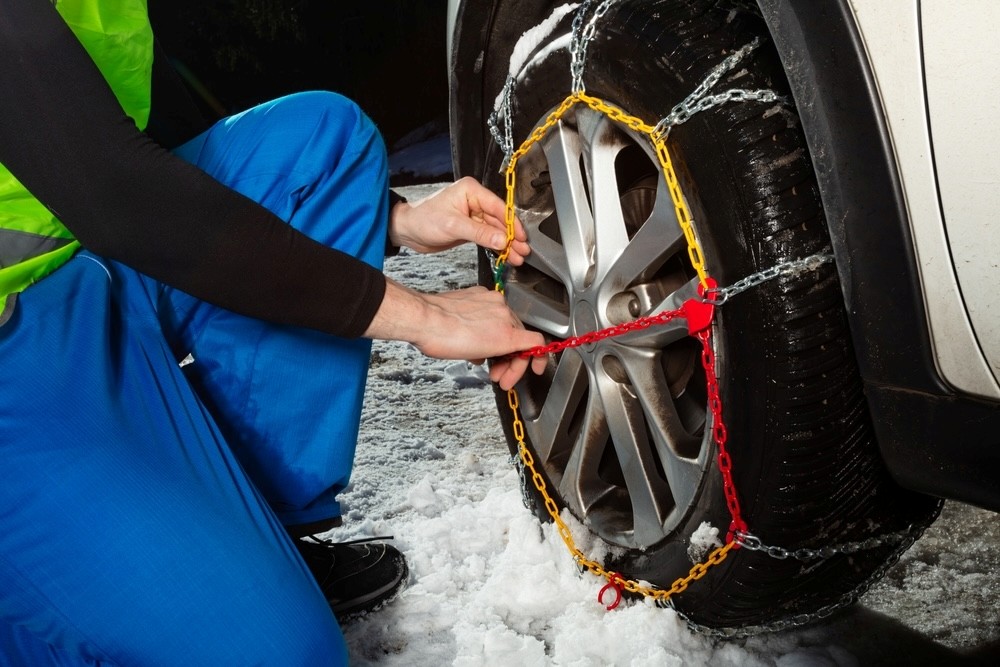
For those who are not used to them, snow chains are vital during snowy periods, as they improve grip and make driving safer in snowy areas.
That said, for those who are not used to them, fitting them can be quite a challenge, so we recommend practising before setting off on the road. It is true that alternatives exist, such as bags that cover the tyres, but they are not as practical or useful as chains.
Checking the antifreeze level
As we mentioned a little earlier, antifreeze is essential during the coldest months of the year.
The vehicle's engine uses water for cooling, and what the antifreeze does, as its name suggests, is prevent it from freezing. So it is very important to check the antifreeze level before setting off and, above all, to make sure you have a container in the vehicle, just in case.
Checking the windscreen washer fluid
Also, it is a good idea to check the windscreen washer fluid. Bear in mind that in extreme conditions, it can freeze and stick to the windscreen, obstructing your vision.
It is important that this fluid also contains antifreeze, to prevent the tubes and nozzles from freezing.
Replacing the windscreen wiper blades
Before the cold season arrives, activate the windscreen wipers and check whether they leave streaks or marks, or whether they don't slide properly.
If that is the case, then you need to replace the wiper blades to get the car ready for the rainy season ahead. If they don't clean the windscreen properly, you will lose visibility and it could end in an accident.
Windscreen wiper cleaning
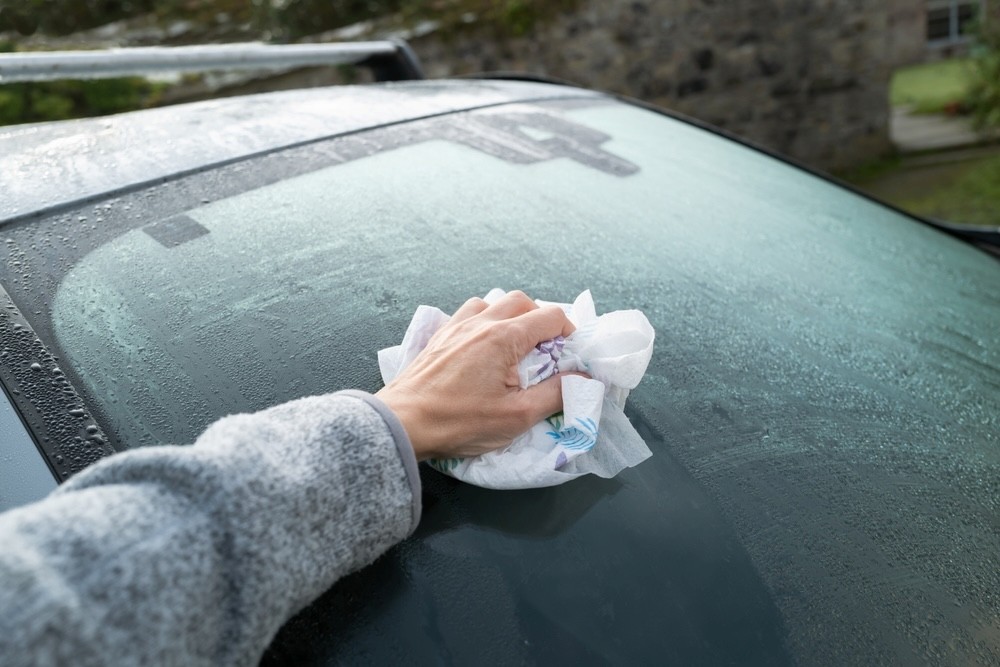
It would also be a good idea to give the windscreen a thorough clean, to make sure it is clear so you have no problems driving in rain or snow.
Preventing moisture inside the vehicle
In winter, moisture can frequently make driving more difficult. But we are not only talking about external moisture, but also the moisture inside the vehicle, which condenses and causes the windows to fog up.
If it is something that happens frequently, we advise you to:
- Replace the cabin filter.
- Check the window seals to detect any leaks.
- Use all-weather floor mats.
- Keep the drainage channels clear, especially in the engine compartment beneath the windscreen and in the boot.
Checking the door and window rubber seals
During winter, the rubber found on doors and windows is subjected to a great deal of pressure, causing cracks through which cold air from outside can seep in.
For this reason, they need to be checked properly to ensure the seal is in good condition, especially if you are going to a cold area for the first time.
Battery check
Another thing we mentioned earlier is that it is very important to check the battery, to make sure it is at full capacity.
During journeys in cold areas, batteries normally have to work much harder, so they need to be 100% operational. If you have already noticed that the battery is starting to fail, or that it is more than 6 years old, then it is time to replace it to avoid problems during winter.
However, you can buy a second-hand battery, save yourself a tidy sum, and use what's left over to pay for fitting at a garage — and that's it.
Headlight adjustment
In winter it gets dark earlier, so drivers rely entirely on their headlights to get around in the dark.
It is important to check that the headlights are working properly, especially the hazard lights, so you can see clearly at night and so that others can see you in the event that you have to stop on the hard shoulder.
Heating system check
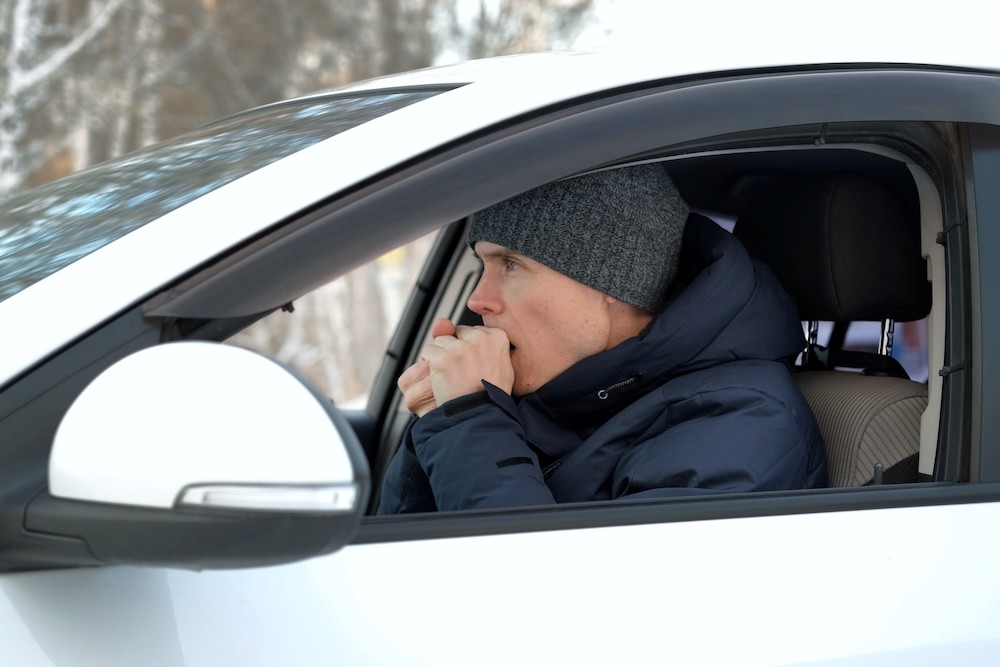
Nowadays all cars have advanced heating systems, but it doesn't hurt to check that it is working correctly so you don't end up without heat during the journey.
Are you planning to sleep in the car in winter because you're going on a long trip? In that case, we recommend installing what is known as a parking heater, which allows you to pre-warm the car.
What accessories should you carry in your boot?
If you are going to move from a warm or temperate climate area to one where frosts and low temperatures are common, we recommend carrying these accessories for vehicle protection:
- A windscreen cover.
- A car cover for winter, especially if it is going to rain.
- De-icer spray, to soften icy surfaces.
- Ice scraper, to remove any ice that has stuck to the car, especially on the windows.
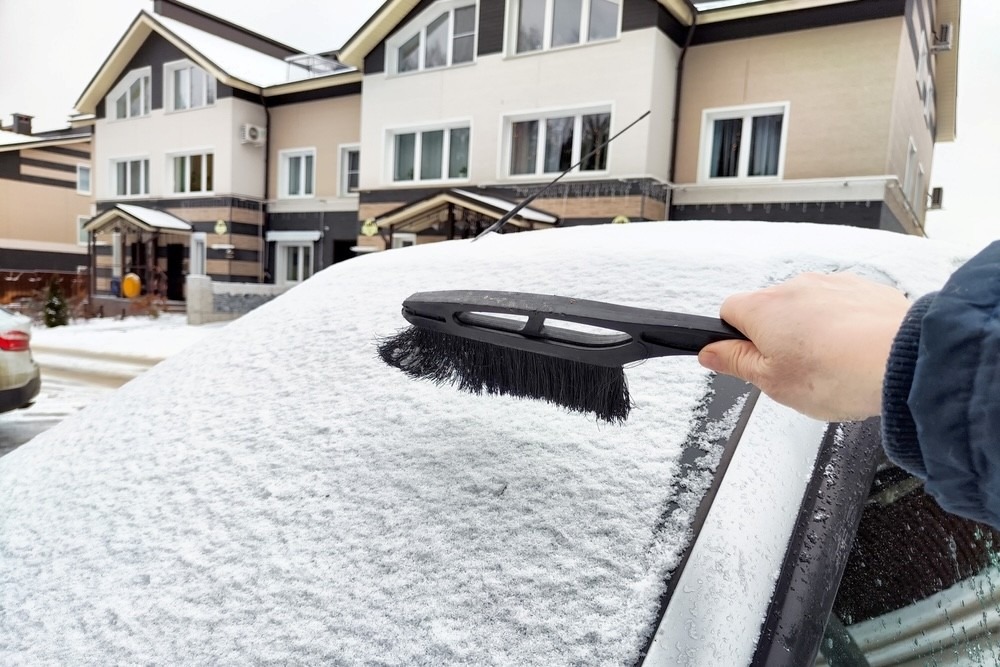
- Snow brushes to remove snow from the surface of the car. Never set off without having removed it first.
- Sponge, or an anti-fog cloth, to clean the car windows and restore visibility.
- Work gloves for scraping ice or fitting the chains.
- Safety torch.
- A tow strap or rope for towing.
- A container of antifreeze windscreen washer fluid.
- Jump leads with clamps for the battery or an emergency jump starter.