


Hydraulic Pump
Why buy a new one when you can get one of our second-hand hydraulic pumps for your car? We also have other generic spare parts that might interest you!

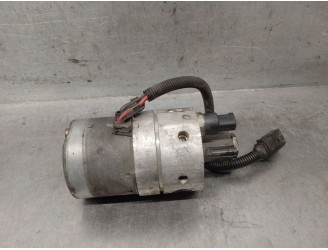


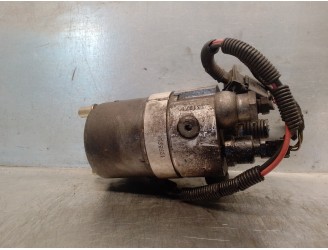
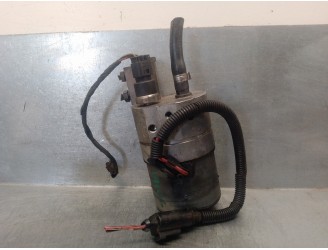
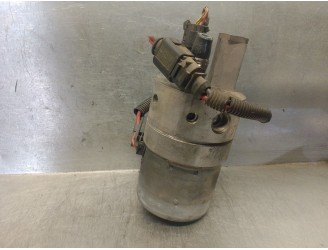


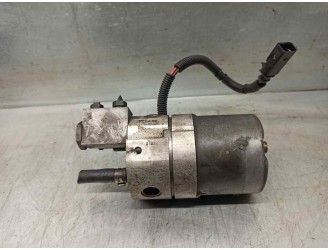
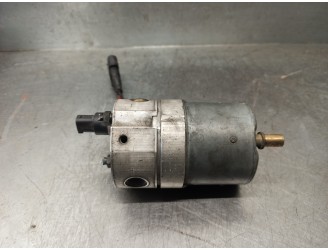
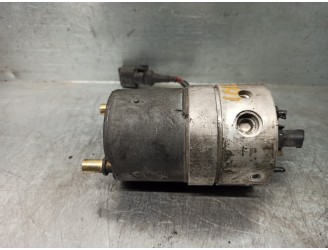
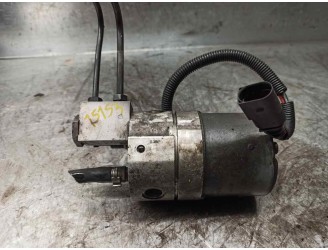
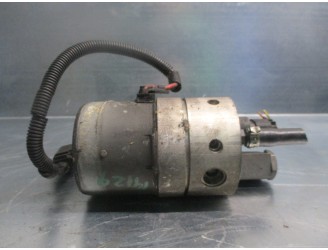
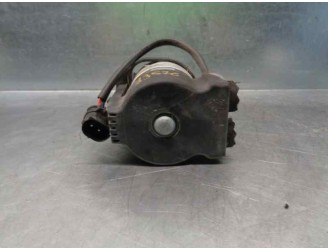
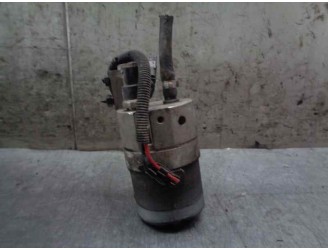
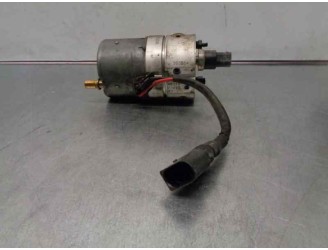
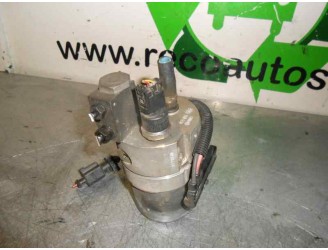
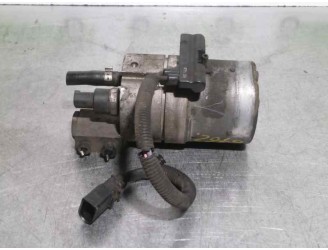
Find the perfect used hydraulic pump for your car!
The hydraulic pump in a car is an essential component in several vehicle systems that rely on fluid pressure to operate. It is often mistakenly associated only with power steering, when in fact its role extends to other vital systems, such as the braking system, active suspension, and transmission support. In other words, it is responsible for generating and maintaining the necessary hydraulic fluid pressure. Without a hydraulic pump in good working order, steering will become heavy and other functions will stop operating correctly.
Frequently asked questions
Its function is to generate and maintain the pressure of the hydraulic fluid (oil or power steering fluid) needed to operate various systems. In modern cars, its most common use is for power steering, making it easier to turn the wheels. In older models, it assists the brakes — such as in hydraulic brake boosters — or forms part of the active suspension system or hydraulic clutches.
While driving, you will start to notice certain symptoms, such as:
- Difficulty turning the steering wheel, especially at low speeds or when stationary.
- A humming, whining, or squealing noise when turning the steering wheel.
- Stains under the car, or low fluid levels in the reservoir, due to power steering fluid leaks.
- The steering wheel not returning to the center position on its own after a turn.
- Noticeable vibration in the steering wheel.
The most common causes are:
- A low or incorrect hydraulic fluid level.
- Old or contaminated hydraulic fluid.
- Air in the system.
- Worn components.
- A faulty or improperly adjusted drive belt.
Technically it is possible, but it is neither recommended nor safe. Keep in mind that the vehicle's steering will become extremely heavy, requiring considerable physical effort, and it will also make the car much harder to control — especially during maneuvers or emergency situations. In short, it significantly increases the risk of an accident.
The hydraulic pump itself does not require maintenance as such; rather, you should keep an eye on the hydraulic fluid:
- Check the fluid level regularly to ensure it is correct and top it up when necessary.
- Replace the fluid every 80,000–100,000 kilometers or every two years to remove impurities and degraded fluid.
- Inspect the hoses and connections for leaks.
Yes, there are two types:
- Traditional hydraulic pumps, which are belt-driven and most common in older vehicles.
- Electro-hydraulic pumps, known as EHPS, which use an electric motor to drive the hydraulic pump, allowing the power assist to function even when the combustion engine is off.
Fully electric vehicles, as well as many hybrids, use a system known as Electric Power Steering (EPS), which does not have a hydraulic pump but instead uses an electric motor to perform the same function.
The cost can vary considerably depending on the make and model of the vehicle, the type of pump, and the labor rates charged by the workshop. It is generally considered a mid-to-high cost repair.
No, as this is a task that requires mechanical knowledge and specific tools. It involves draining and refilling the hydraulic system, bleeding out any air, and ensuring all connections are properly secured. If you do not have the experience, training, or a suitable workspace to carry out the replacement yourself, it is best to leave it in the hands of a professional.
Purchasing a used hydraulic pump for your car is a perfectly valid option to consider. In fact, at our Recoautos auto recycler you will find both types, available for a wide range of makes and models. We also guarantee that every part is in excellent condition, as we test and verify each one to ensure it is ready to be used again. Whatever you save on the part, you can put toward covering your workshop costs!